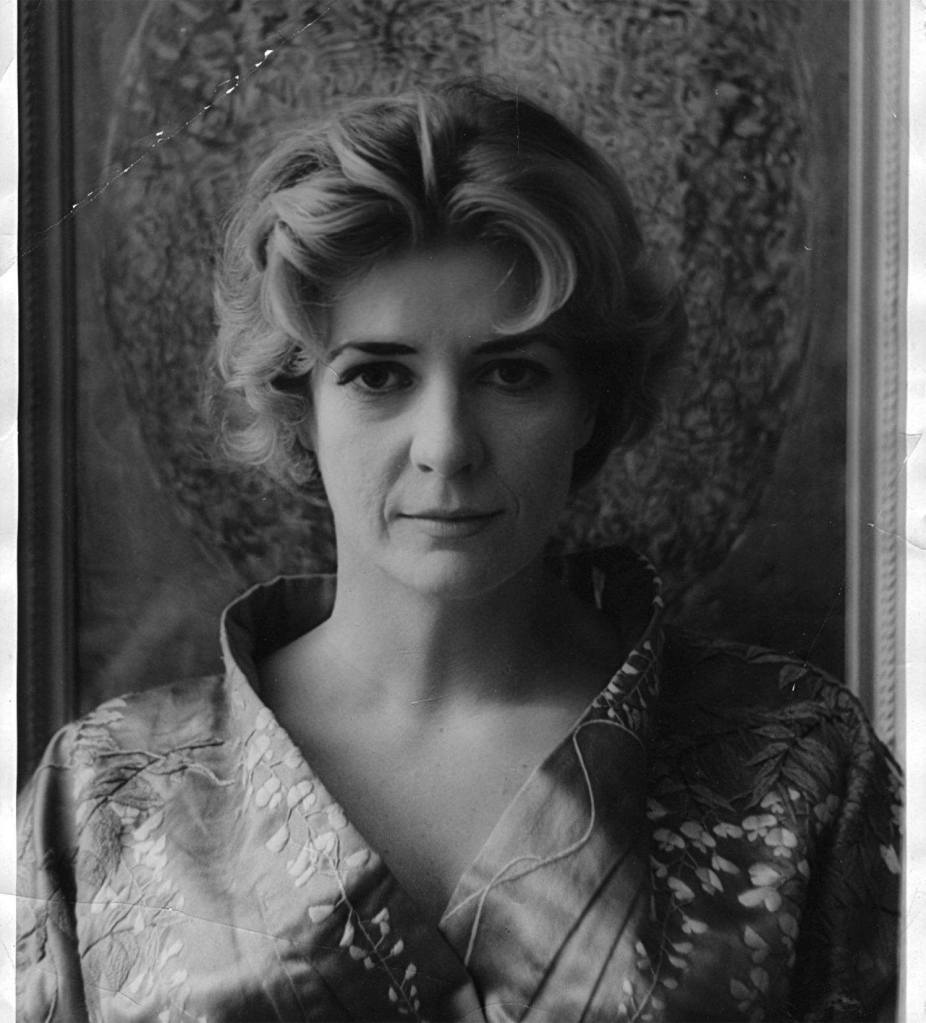
Let’s just call her what she was: a siren, a soothsayer, a mythmaker, a chorus, a riot. I met her. She took a sliver of me. I am but a sliver of her. You will never remove that sliver.
Image: A photo of Carolyn Kizer that ran in Poetry Northwest.
Let’s just call her what she was: a siren, a soothsayer, a mythmaker, a chorus, a riot. I met her. She took a sliver of me. I am but a sliver of her. You will never remove that sliver.
Image: A photo of Carolyn Kizer that ran in Poetry Northwest.
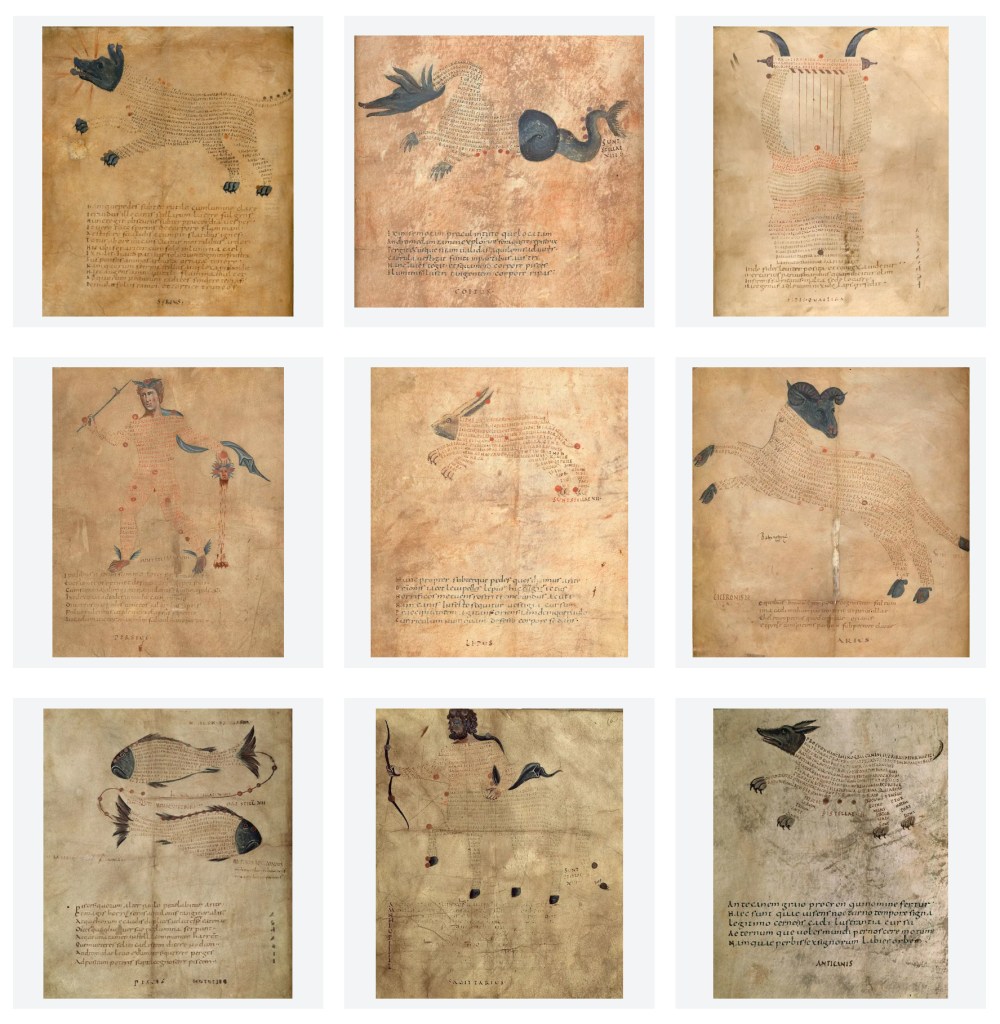
Folks were really reaching to find animals in the stars. I’m glad they did, otherwise we wouldn’t have these calligrams.
Source: Public Domain Review.
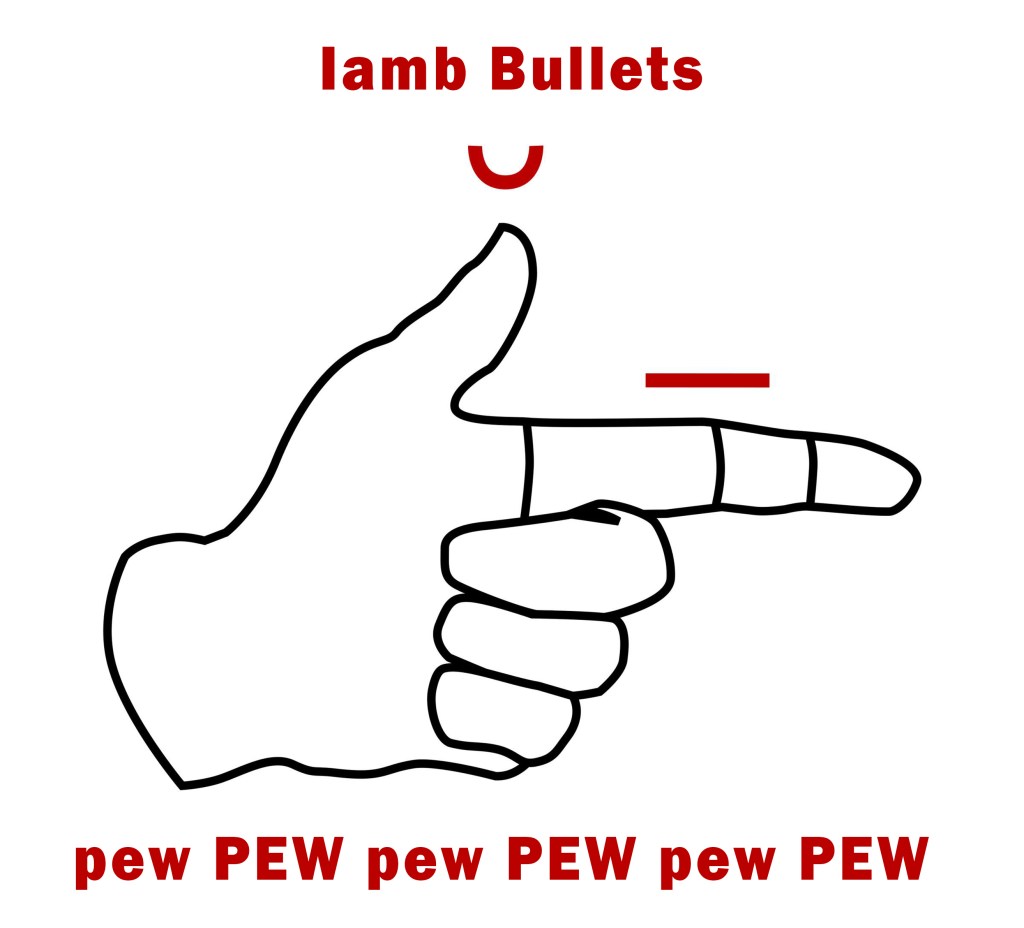
Made by modifying a Creative Commons image from Wikipedia that uses a hand to illustrate a dactyl. Inspired by a conversation with Elizabeth Macduffie. I want to make this into a T-shirt.
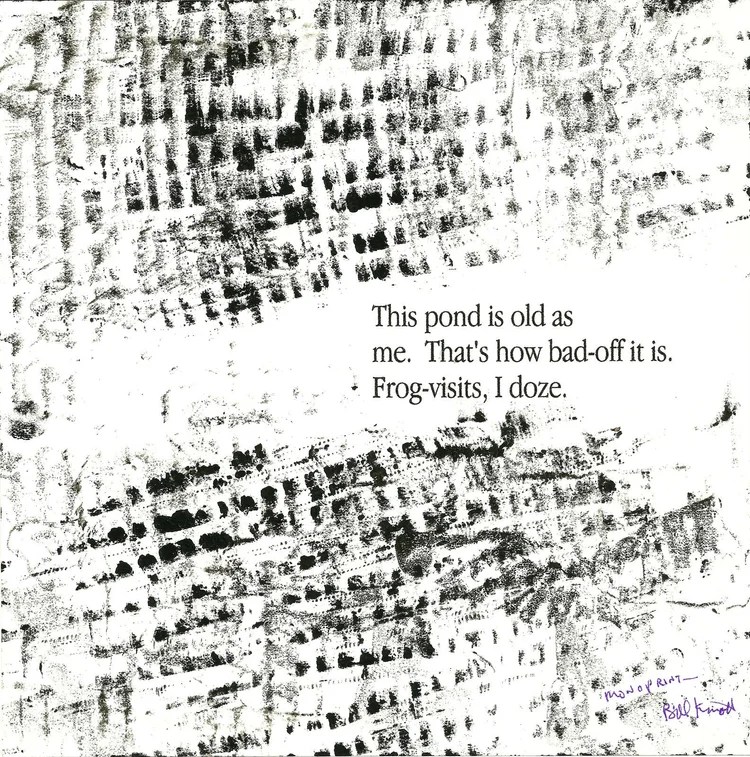
This pond is old as / me. That’s how bad-off it is. / Frog-visits, I doze. — Bill Knott
Source: Bill Knott Archive.
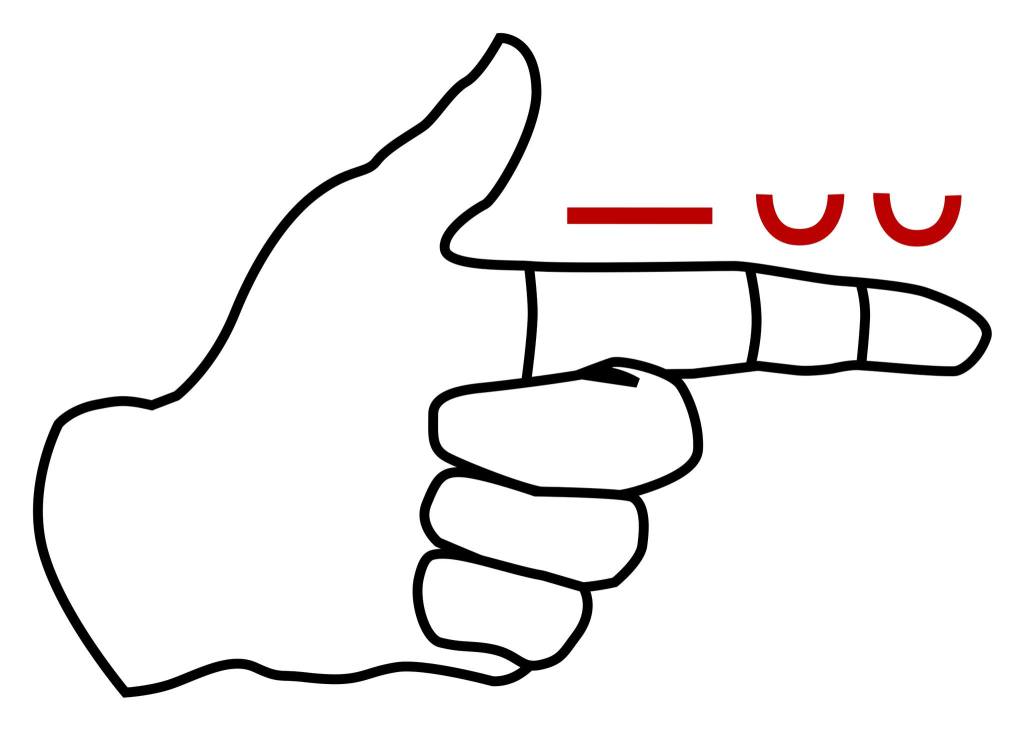
Poetry is my weapon. Baby, you don’t wanna mess with these dactyls.
Image: an outline of a left hand with the thumb pointing up, the bottom three fingers folded back, and the index finger pointing out. A long red line (representing a stressed syllable) is above the finger’s bottom bone (proximal phalanx), as well as two red curved lines (representing unstressed syllables) above the middle and upper bones (middle and distal phalanges). Image fromWikipedia and used in accordance with its Creative Commons Universal license.
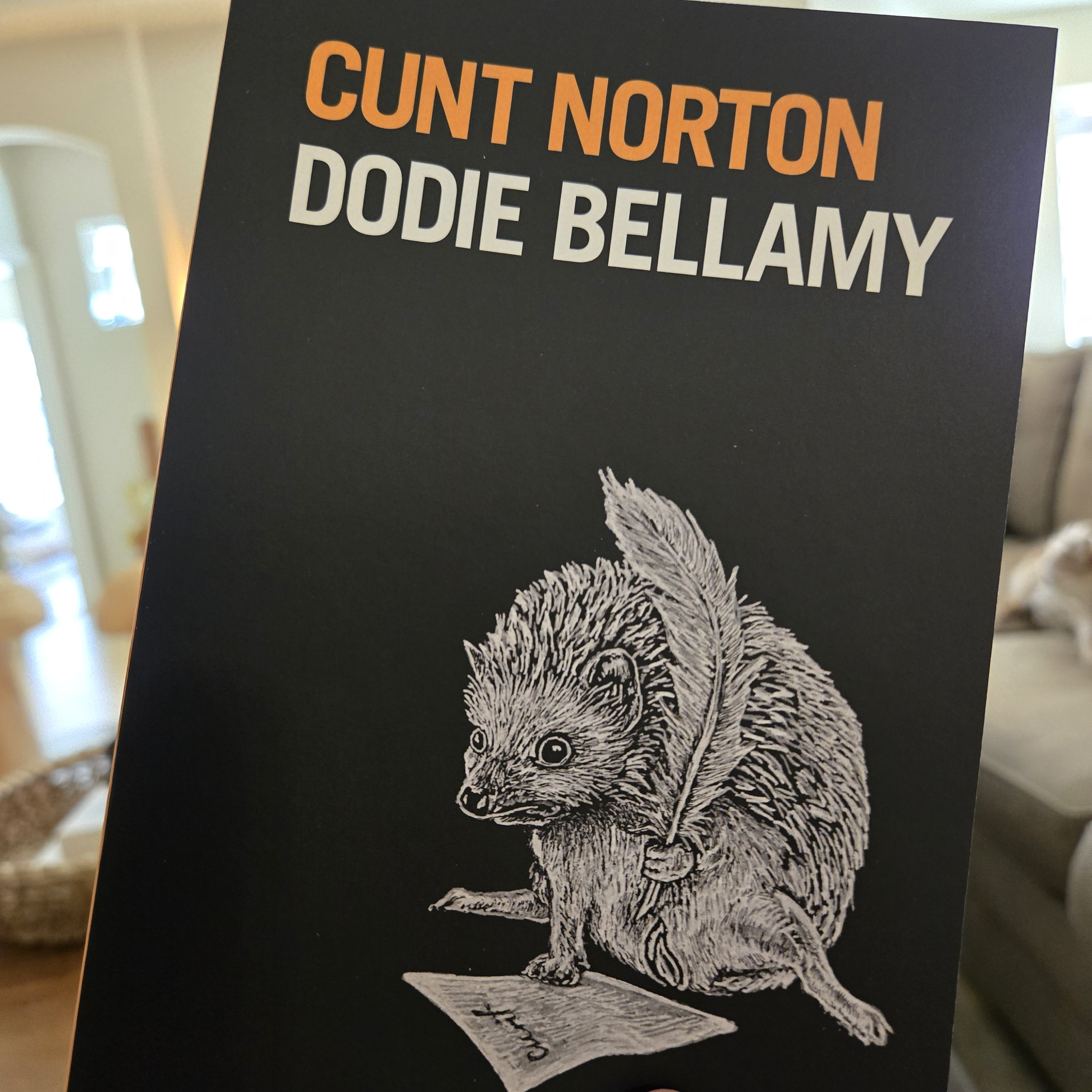
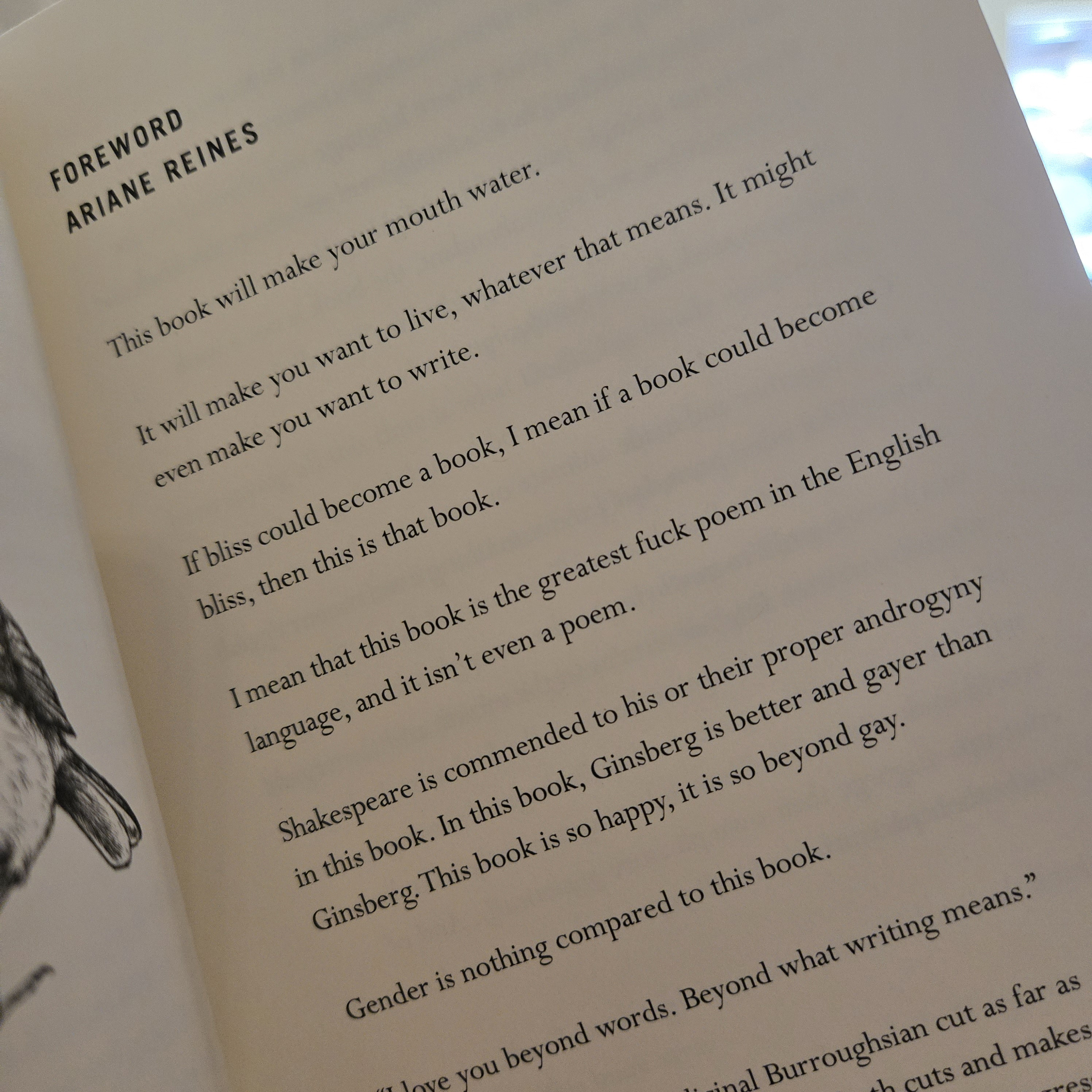
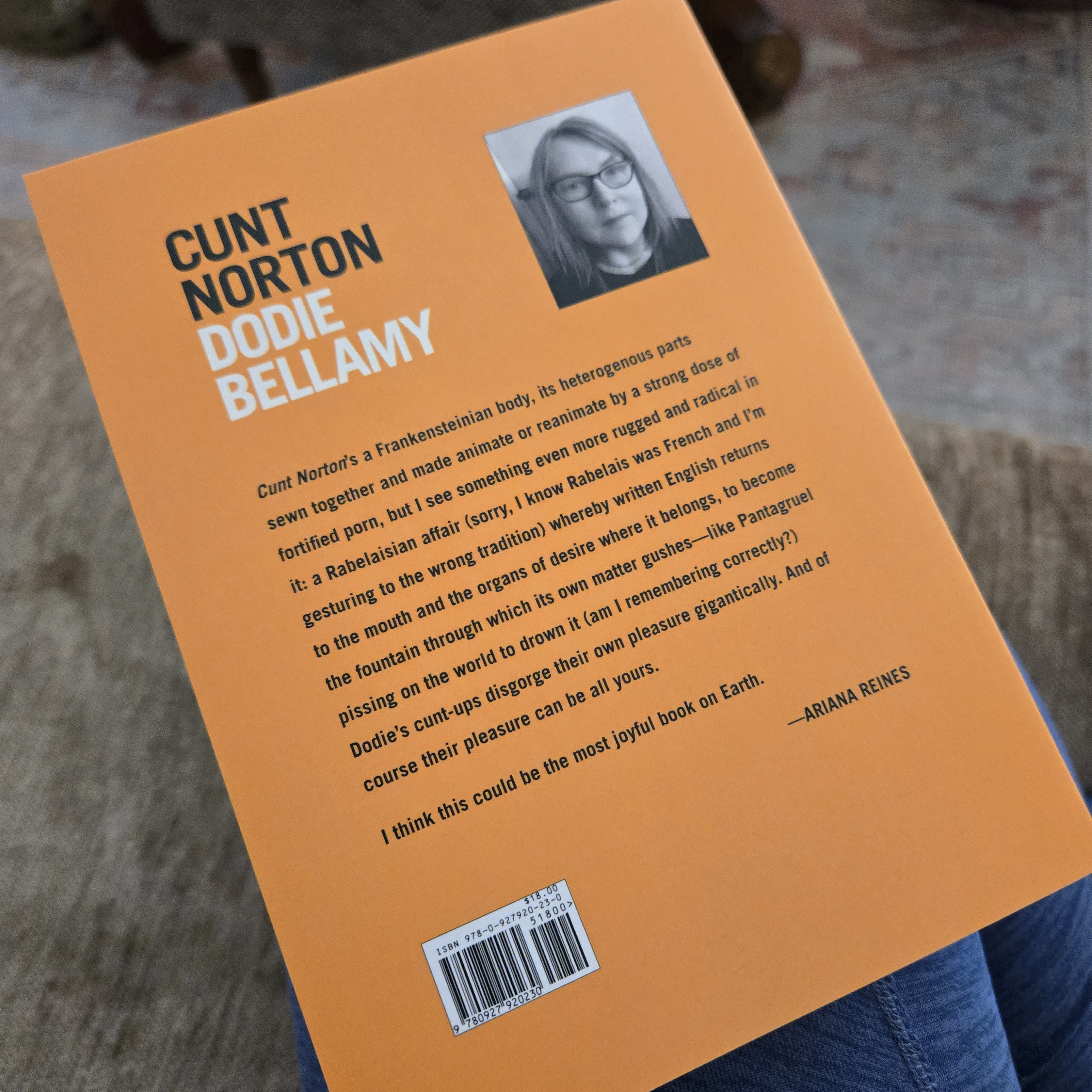
Why am I scarfing down a whole thing of chocolate hummus all at once? Because I’m reading Cunt Norton, by Dodie Bellamy. Here’s an excerpt from the introduction by Ariane Reines:
This book will make your mouth water.
It will make you want to live, whatever that means. It might even make you want to write.
If bliss could become a book, I mean if a book could become bliss, then this is that book.
I mean that this book is the greatest fuck poem in the English language, and it isn’t even a poem.
Shakespeare is commended to his or their proper androgyny in this book. In this book, Ginsberg is better and gayer than Ginsberg. This book is so happy, it is so beyond gay.
Gender is nothing compared to this book.
If you hear me screaming yes yes yes with my volume maxed out, trust me: I’m just reading this book.
(Personally, I think it is a poem.)
—
Images: 1. The front cover of Cunt Norton. 2. An interior page from the collection. 3. The back cover of the collection.
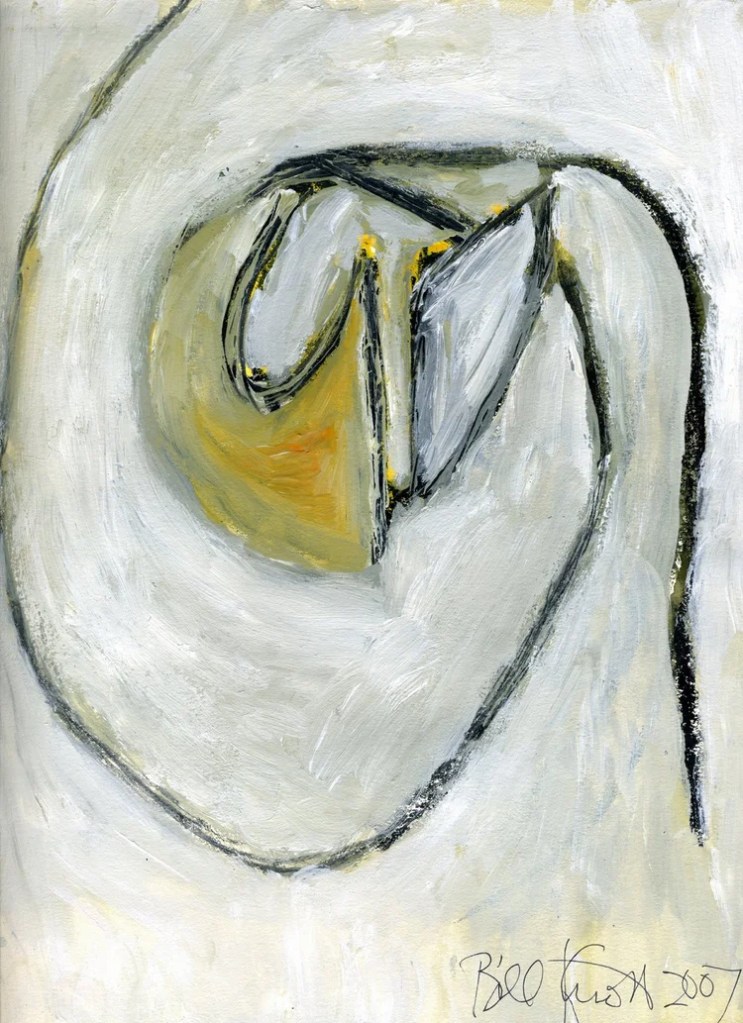
Source: Bill Knott Archive.
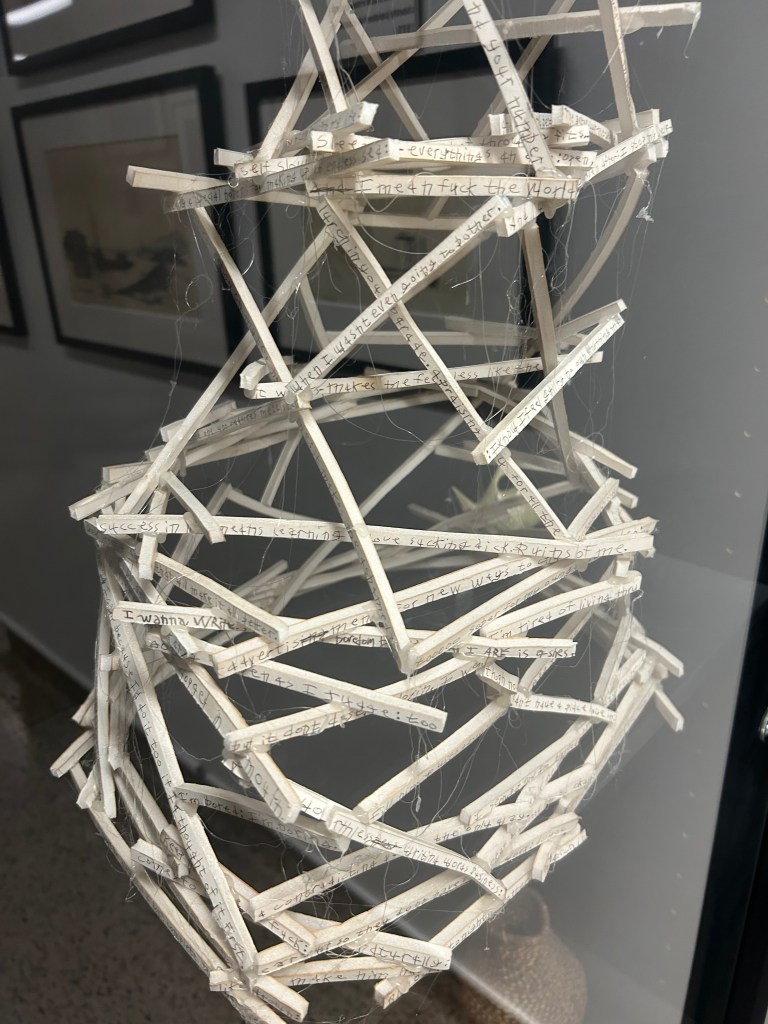
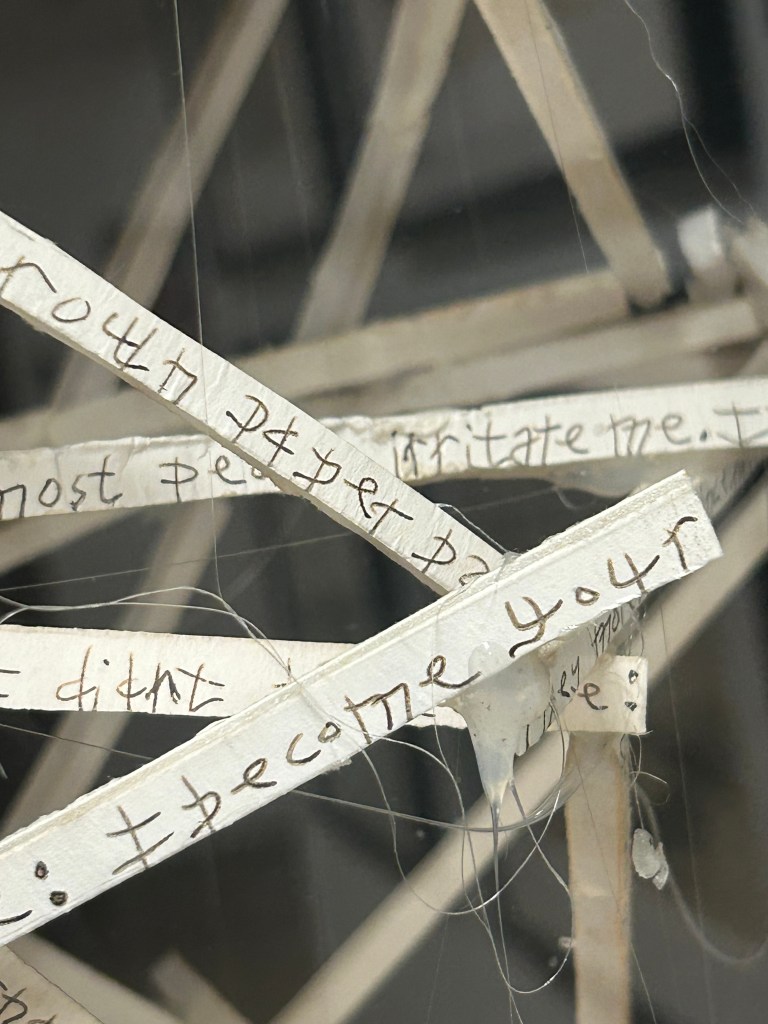
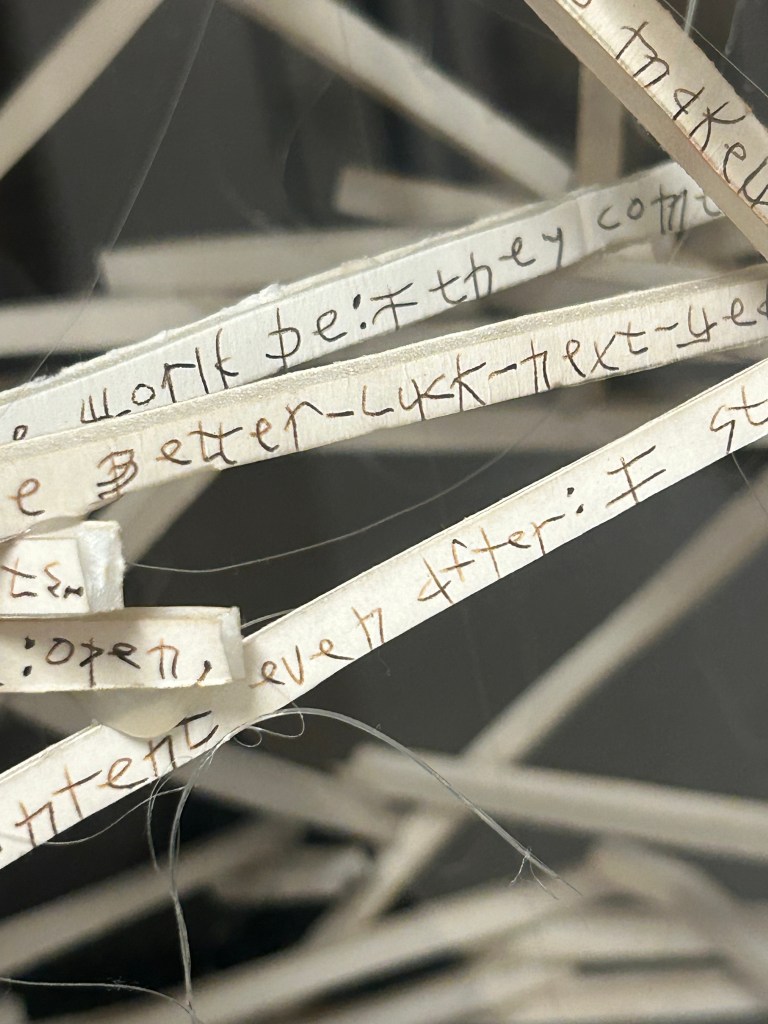
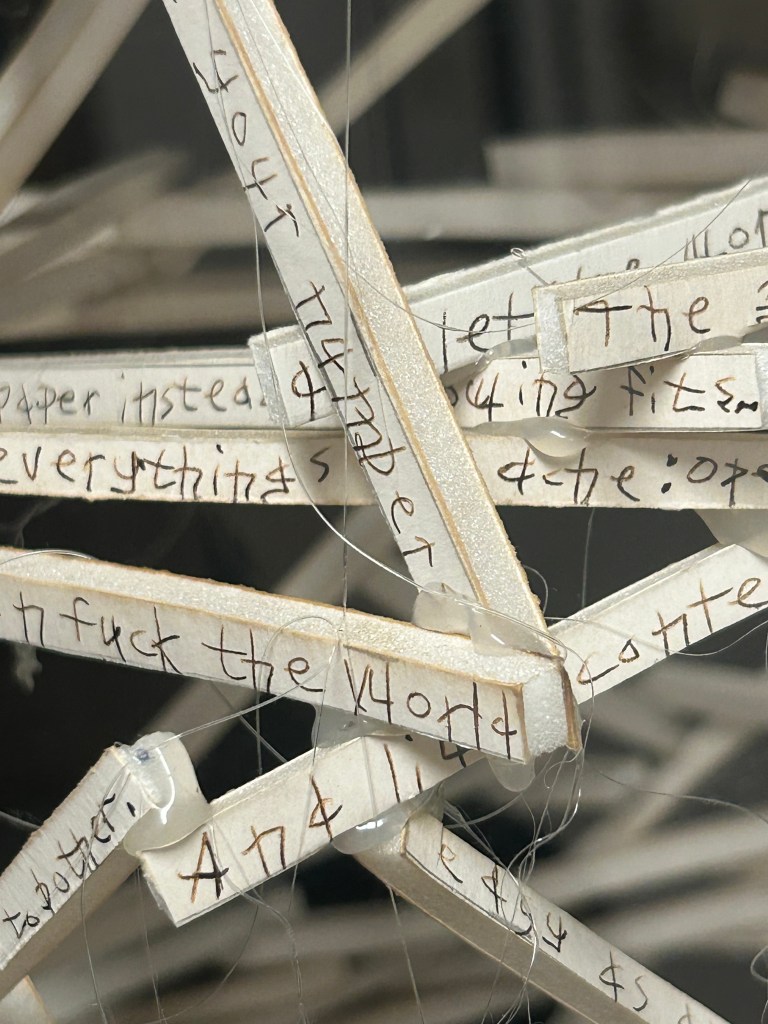
These are photos of the sculpture at Glore Psychiatric Museum in St. Joseph, Missouri, that I incorporated into a poem titled “The Sculpture.” (It was first published in Muzzle’s 2015 mental-health issue as “The Letter.”)
A patient at Glore made the piece when the hospital was still in operation. I’m visiting the museum in the spring to document the writing on each piece of foamboard along with a diagram that shows where the pieces are situated in the work.
One of the museum’s employees took these photos and sent them to me. I haven’t seen the piece in person since 2015. I’m happy it’s still on display and in good condition. Anything can outlive us. Anything can matter after we’re gone, just as we matter while we’re here. These words are not “worthless,” as the sculpture’s creator says on one of the foamboard strips.


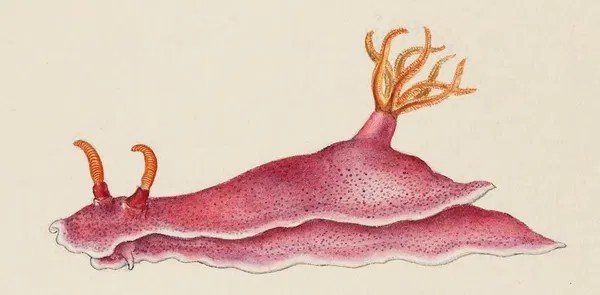
From Kumataro Ito’s Illustrations of Nudibranchs from the USS Albatross’ Philippine Expedition (ca. 1908). What’s your vibe? Which nudibranch are you? Which one do you aspire to be?

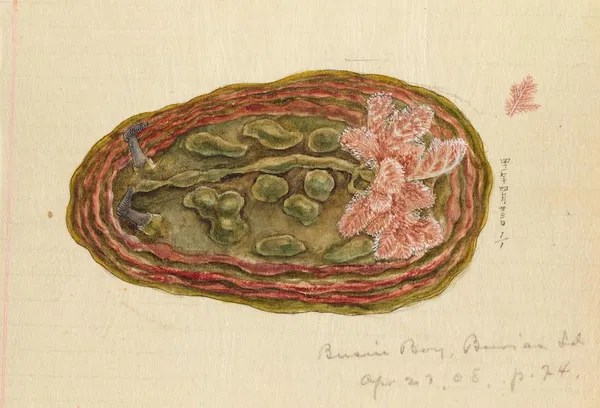


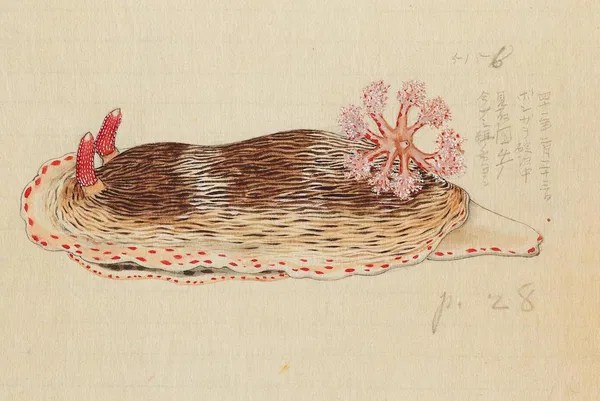
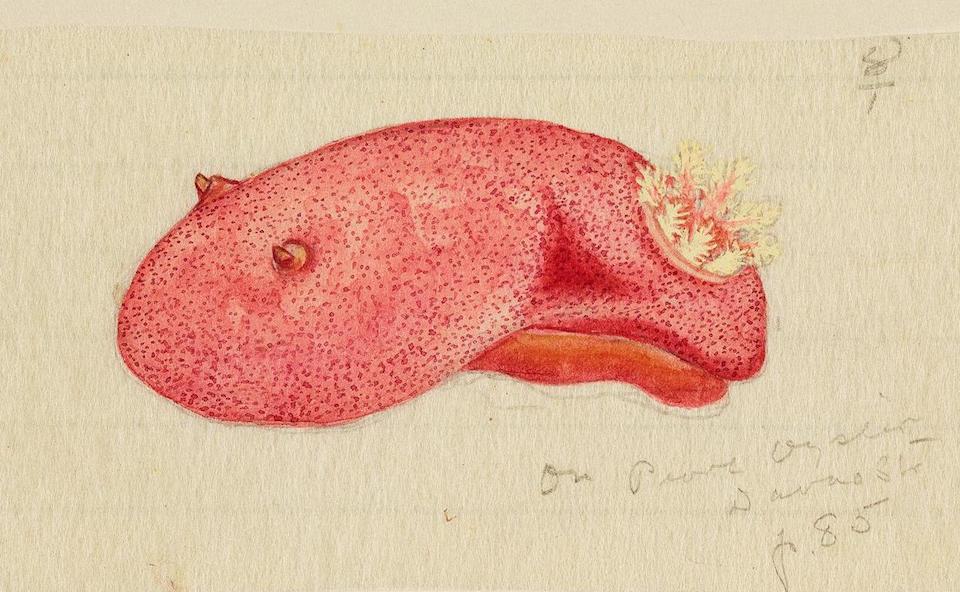
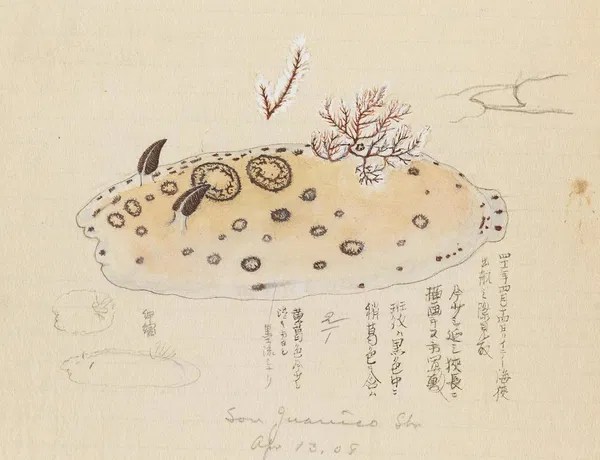
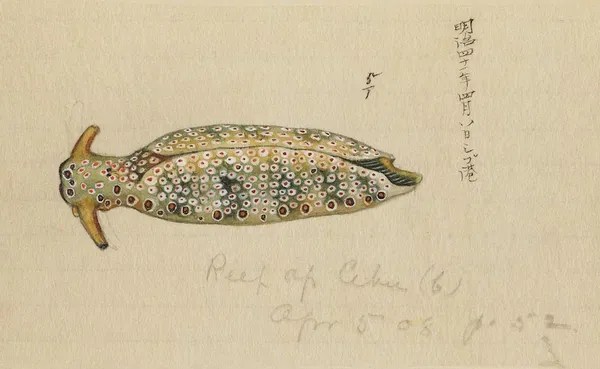
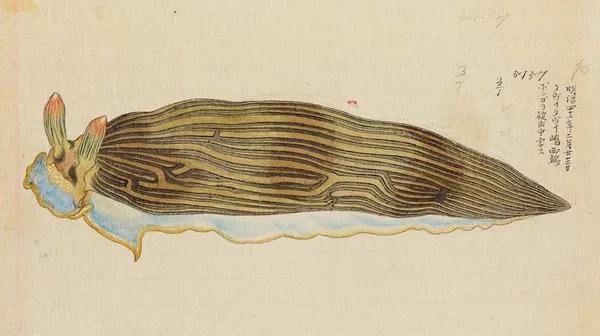
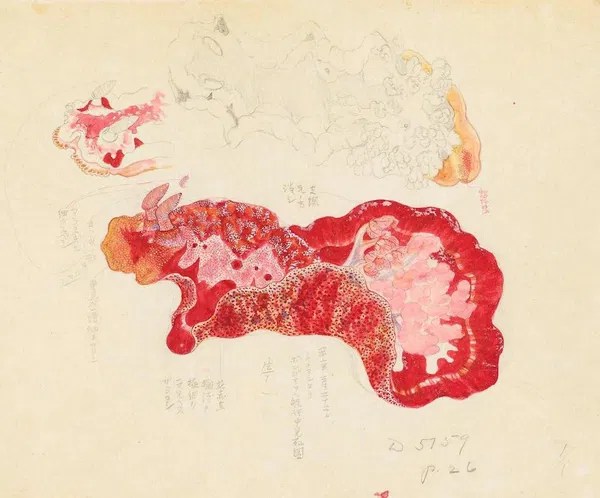

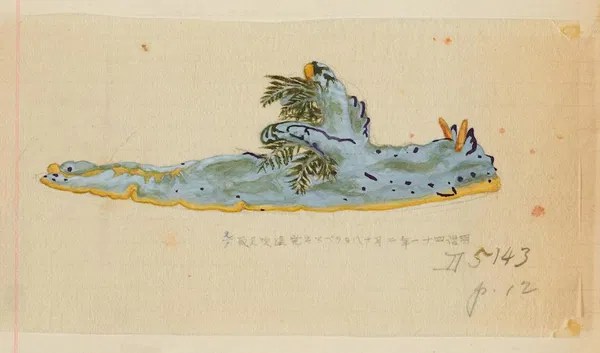


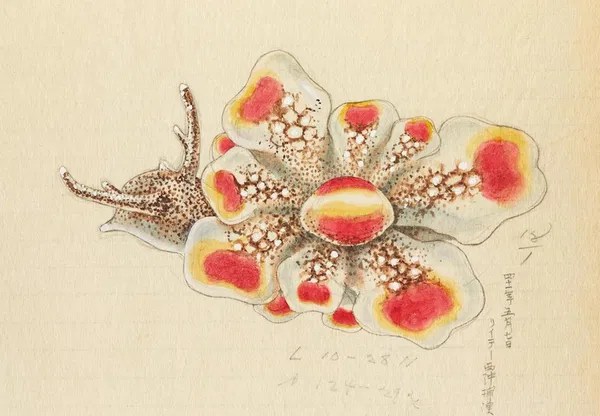


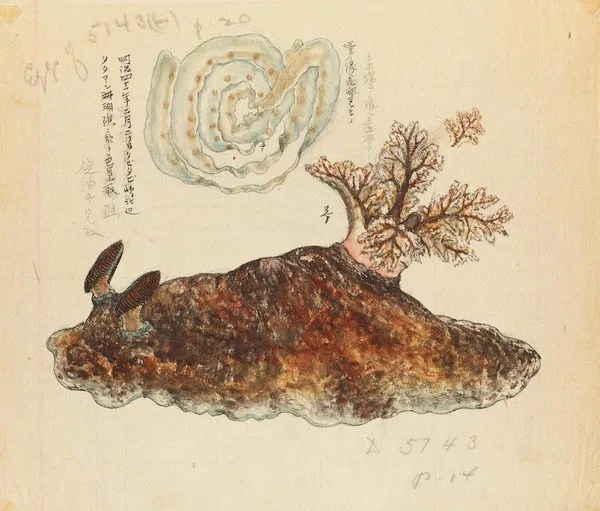
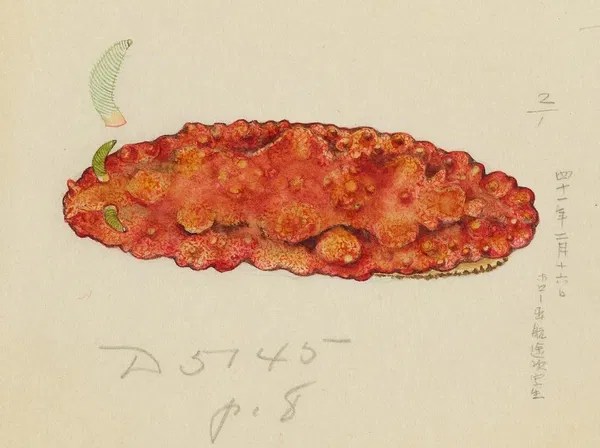
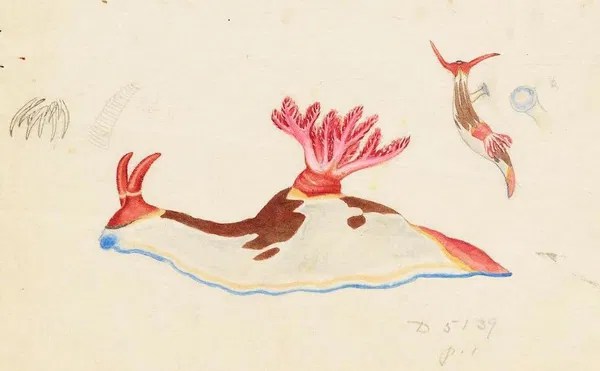
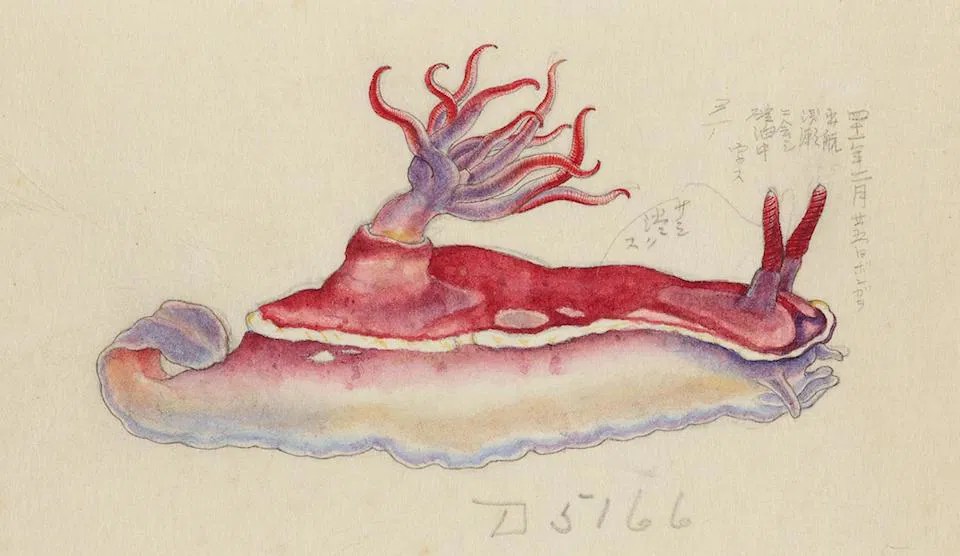
Shown: Watercolor illustrations by Kumataro Ito, the chief illustrator aboard the USS Albatross as it surveyed the aquatic resources of the seven thousand islands of the Philippines.
Source: The Public Domain Review.
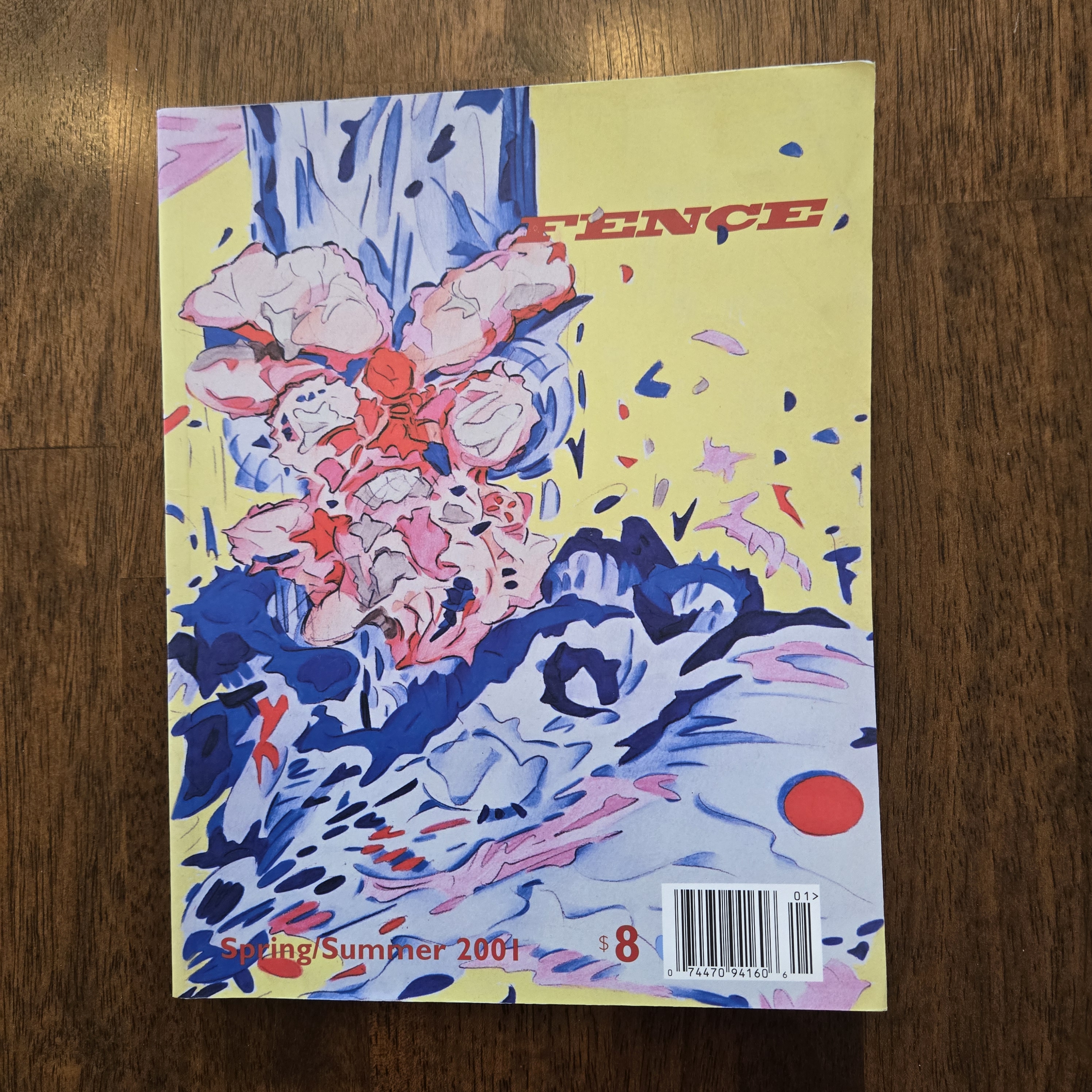
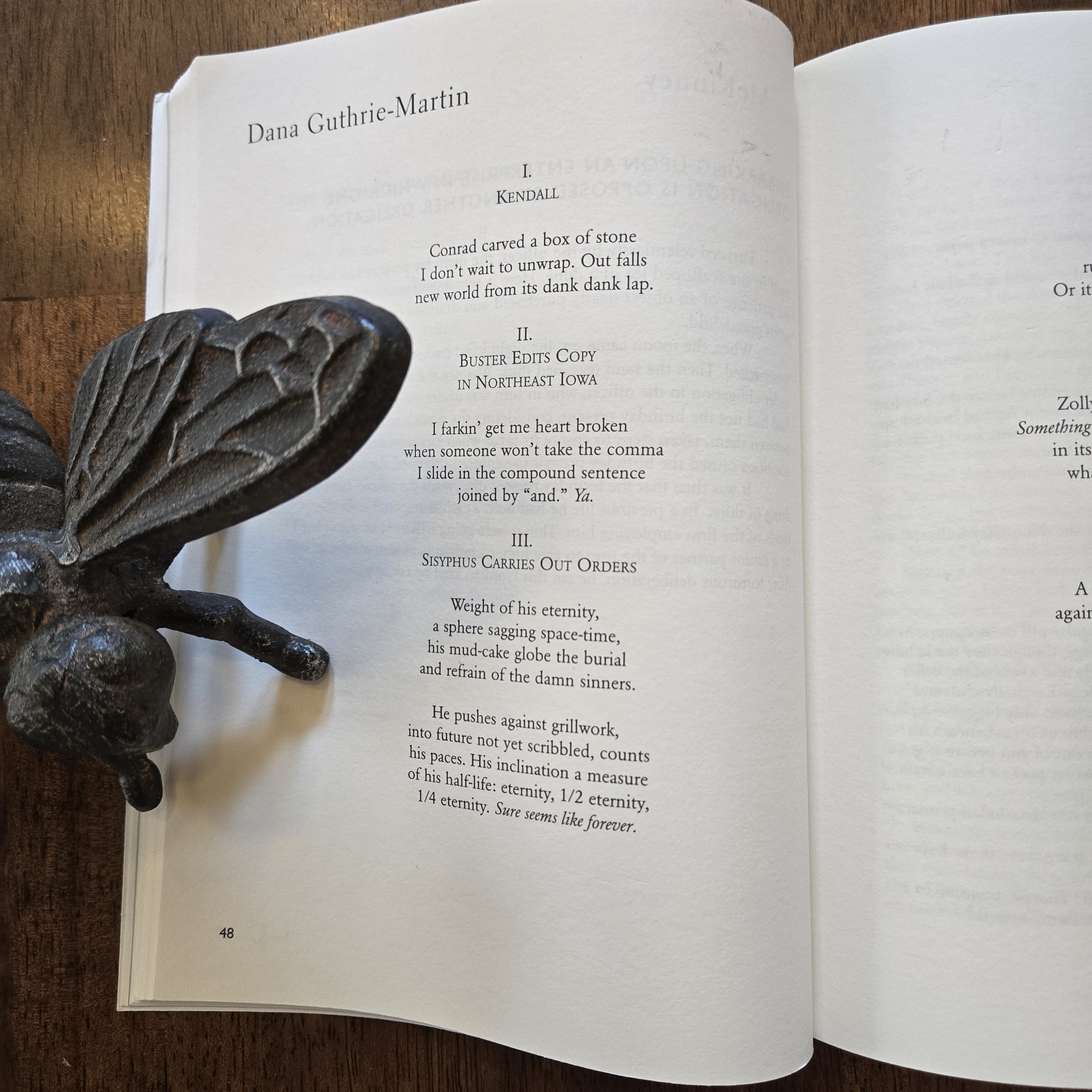
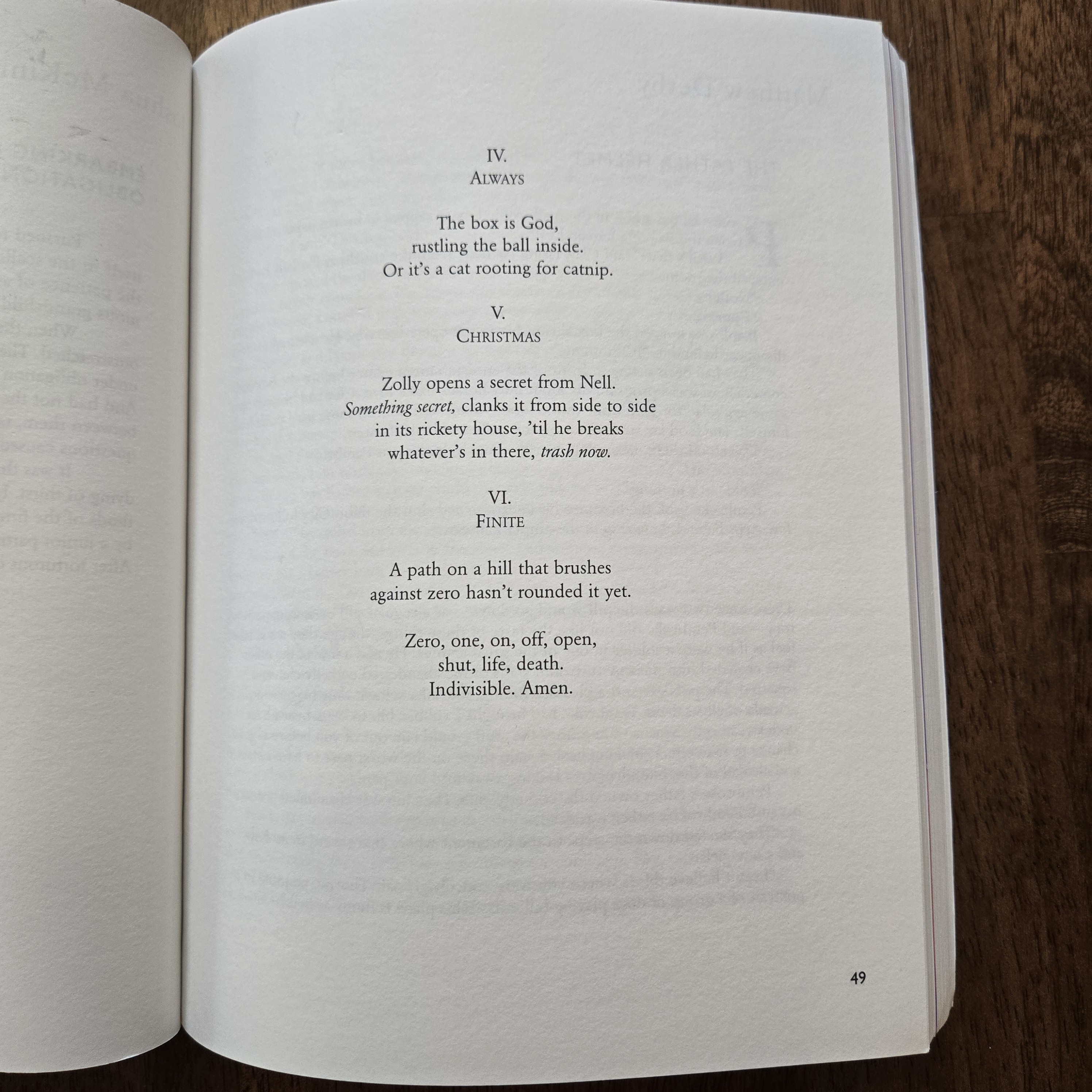
This is the issue of Fence that my work appeared in back in 2001 just after I completed my undergraduate coursework. When I showed it to my first poetry teacher, he wouldn’t even look at my poem. He just said the journal wasn’t one he read or took seriously. I felt stupid for thinking my work had merit and that Fence was a credible publication. I didn’t submit work for seven years after that interaction with my teacher. I mostly didn’t write during that period, either. Matt Jasper calls this kind of thing wing clipping. This felt more like ripping my feathers out by their calami.
The issue I was in includes work by Bruce Andrews, Jorie Graham, Cate Marvin, and Adrienne Rich, among others. It’s astounding that anyone could look at the table of contents and respond the way my teacher did. Fence is one of the best literary journals out there. My teacher should have been celebrating me, not diminishing me.
Fence is currently open for submissions. Their reading period closes October 31, 2025.
—
Images: 1. The front cover of Fence, Spring/Summer 2001. 2. The first page of my poem Quintet being held down by an iron bee paperweight. 3. The cseconf page of my poem.
 Dana Henry Martin