dif/Fused Ancestry + suf/Fused Fiber
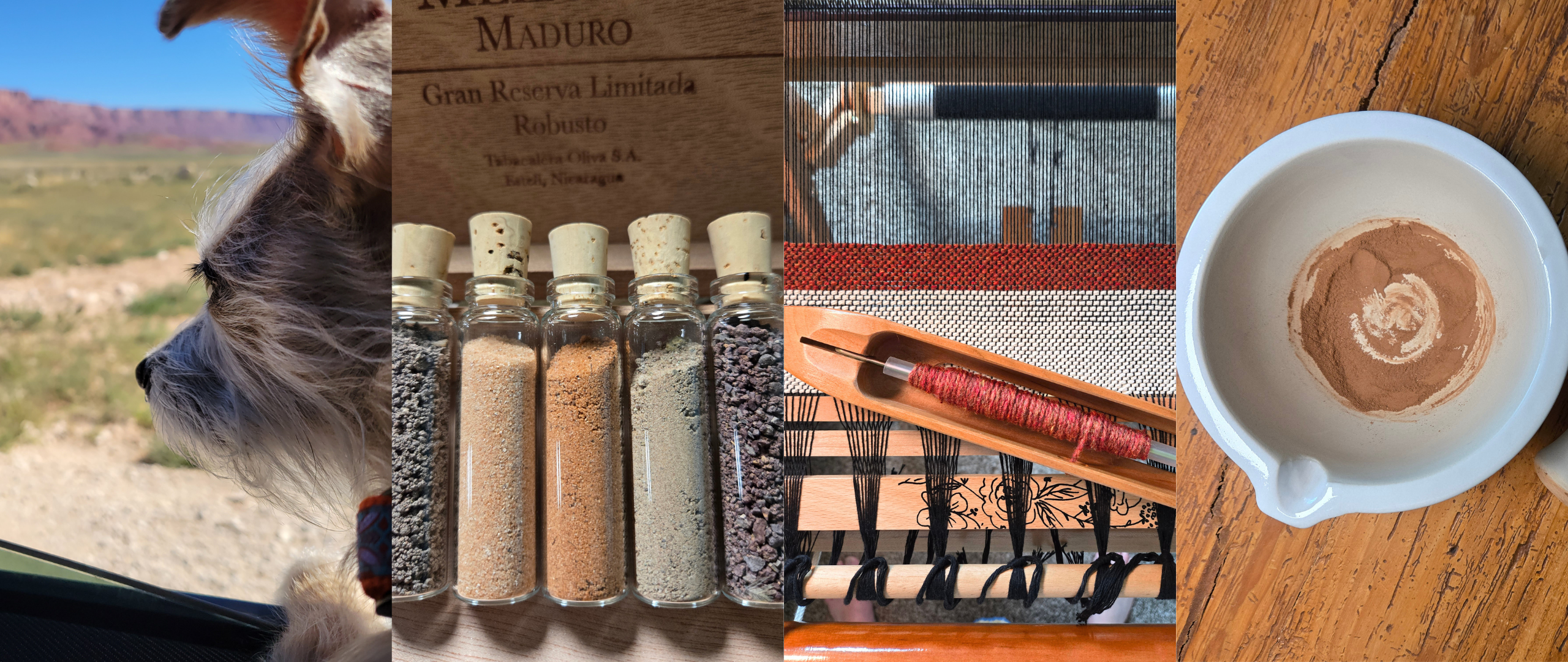
I tell stories that the land holds about history, geology, ancestry, and human habitation using geomaterials, biota, and natural fibers.
Originally from Oklahoma and now based in Toquerville, Utah, I explore how our land has shaped us and how we shape it in turn, unearthing untold stories in the process. My background in medical writing and creative writing allows me to tell these stories accurately and artfully.
Current projects
2026
dif/Fused Ancestry
Geomaterials + Biota
2020·2026
suf/Fused Fiber
Biota + Natural Fiber
1997·2026
Creative + Medical Writing
Storytelling + Education
the Creative Practice
Dana Henry Martin is a communicator and creator whose practice focuses on telling stories through geomaterials, biota, and natural fibers. dif/Fused Ancestry + suf/Fused Fiber is Martin’s current undertaking. Together, these components map lost ancestral, human, and nonhuman histories through lands both sacred and desecrated. The project’s focus is on tracing histories using geomaterials in Utah, Oklahoma, and at the sites of turn-of-the-century (aka “asylum-era”) psychiatric hospitals in an attempt to help recover and tell stories that would otherwise remain buried. Martin also co-founded and serves as a peer facilitator for Greater Zion Support Alliance, a mental-health support group serving Southwest Utah.
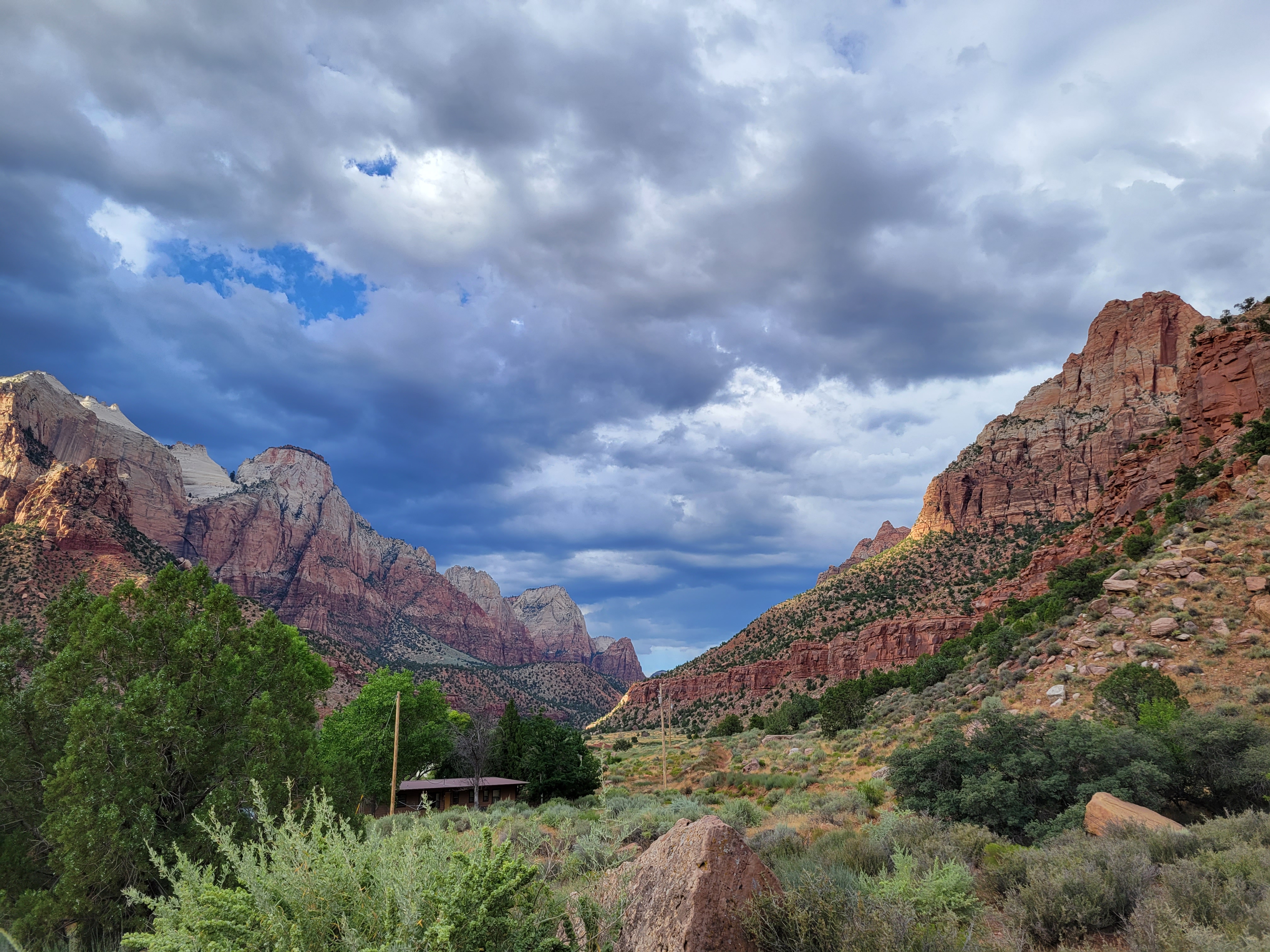
Zion National Park, 2023.
Acknowledgements
Martin acknowledges the poets and artists, especially those in Oklahoma and Utah, who have been supportive of this project, the ancestors, and the lands that have made it abundantly clear how much the earth matters and speaks to us if we listen.
The Martins acknowledge the unceded and ancestral lands on which dif/Fused Ancestry + suf/Fused Fiber are situated: the traditional territories of the Ute, Shoshone, Goshute, Paiute, and Navajo nations, and the homelands and sovereign tribal territories of the Thirty-Nine Nations of Oklahoma. The Martins honor the original stewards of these lands, their ancestors, and their ongoing, living connection to the earth.
Want to help? These are community projects. Work with me.
Latest NotABILIA
-
The new pigment in town. I managed to successfully pull a decent amount of pigment from the Iron Springs Formation… Read more.
1–2 minutes -
I got lost in making. In order of the making, which is last photo to first photo: A dorodango. An… Read more.
1–2 minutes -
I found these photos of my mother, her siblings, and her parents in Oklahoma in the 1940s. They were framed… Read more.
1–2 minutes
Meet the Project Leads
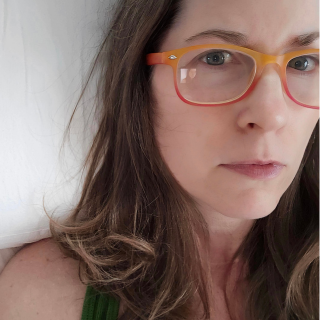
Dana Henry Martin
Founder and Creative Practitioner
Weaving, Fiber Art, Pigments, Historical and Geological Research, Education
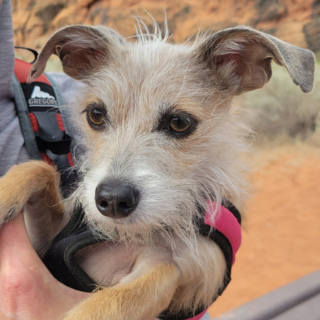
Lexi ‘Lexicon’ Martin
Canine Companion
Barking, Sniffing, Riding to and from Sites, Being Curious and Funny
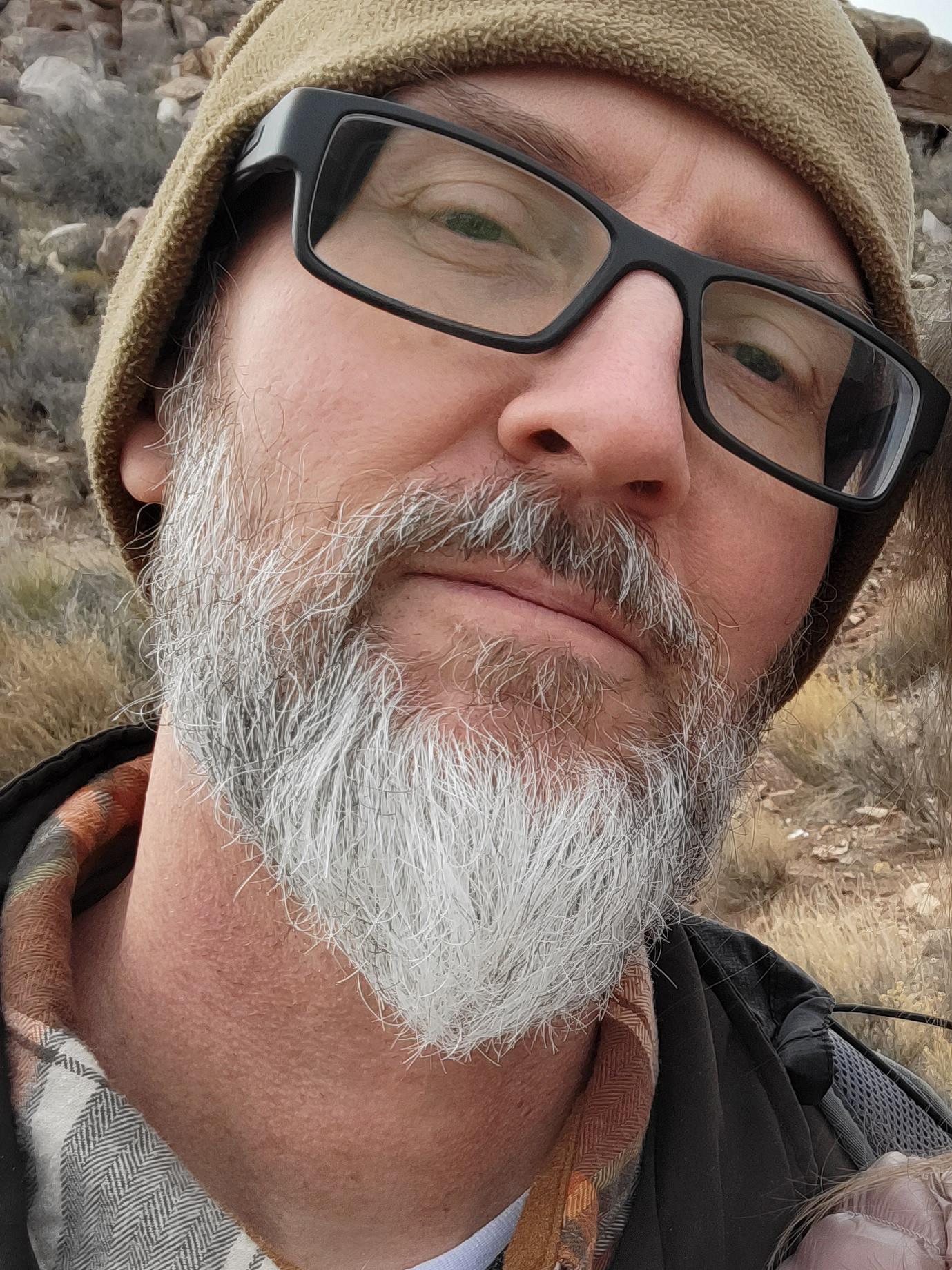
Jon Christof Martin
Site Analysis and Physical Excavation
Coding, Mapping, Documentation, Site Selection, Materials Collection
The Public (aka All Y’all)
Anyone and Everyone
Site Access, Soil Collection, Community Engagement
making the work possible
I appreciate the following entities, organizations, and companies for making this work possible through access and technical resources:
I want to give special thanks to the individuals and organizations that have shown interest in this work:
FAQ
What’s the difference between a creative practice and art?
My creative process starts at the moment of inquiry about a lost history within a family, with a group of marginalized people, or in the land itself. From there, I research the places that are connected to that history, including their geologies, their stories, their past and their present. I believe place holds these stories and we can excavate them. The moment of transformation is what I’m after: when the materials I collect turn into something else, like resources for art before they even become art. I’m not just after the final product. I’m after the whole process.
What is your ethical practice around material collection?
I work with my partner to ensure all materials are collected legally and ethically. We have permits from our local BLM Field Office, and we research each potential site using extremely detailed maps, ones he helps code, to ensure collecting is allowed. In some places, BLM lands, city lands, SITLA lands, tribal lands, and private property are all in close proximity, so good maps, a solid plan, and adequate collection documentation are essential.
Why the focus on Oklahoma and Utah?
I’m from Oklahoma, where my mother and her family lived through the Great Depression and suffered the indirect effects of the Dust Bowl. It is impossible to explain the way those events shaped my family, who once owned a successful farm in Headrick, Oklahoma. I don’t know if my mother losing her farm as a child and seeing areas of the state devastated by sweeping topsoil erosion has something to do with my lifelong connection to the earth—from loam to clay to silt to sand—but I certainly explored it as much as I could well into my teens. I especially loved the red dirt around Lake Texoma, where my family spent many summers. Now, I live in Southwest Utah in a town called Toquerville, located just outside Zion National Park. The land here doesn’t just speak. It sings. Nothing is more precious than pristine natural lands to many Utahns, and I’m one of them. I hope to help educate folks about all our lands through my work.
How do I collaborate or contribute raw materials to the project?
I’m looking for folks who have lands I can collect small amounts of rock, sand, and other geomaterials from (about a gallon or so). I also enjoy company going out to public lands for collecting and foraging. If you have other ways you’d like to get involved, I’d love to hear them. Email me through my Contact page.

