Alex Caldiero Memorial Essay

On this second day of April, I’m honored to share Scott Abbott’s tribute essay about Utah poet, sonosopher, composer, and musician Alex Caldiero, published today by Rob McLennan at periodicities : a journal of poetry and poetics. This tribute means so much. I only knew Caldiero’s work, but I recognize what a loss it was for Utah and for poets, artists, thinkers, and creative folks everywhere when he died. Rob was kind enough to reach out to me after I posted about Alex’s death to see if anyone wanted to write something about his work. Scott generously took the time to write this piece about Alex, his life, and his work. Read it. Then read it again whenever you start to think poetry and the arts don’t matter. Ad astra, Alex.

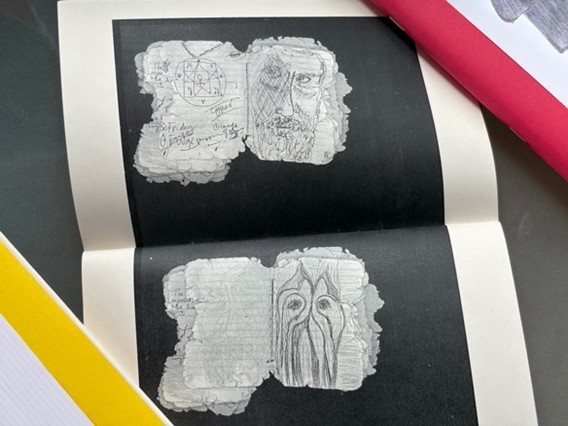
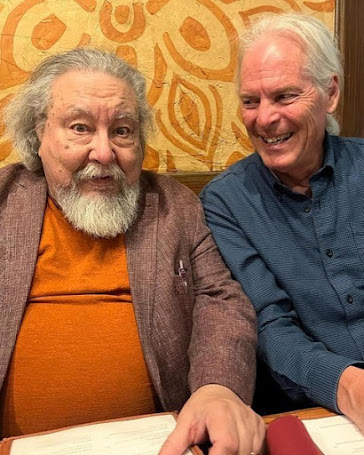
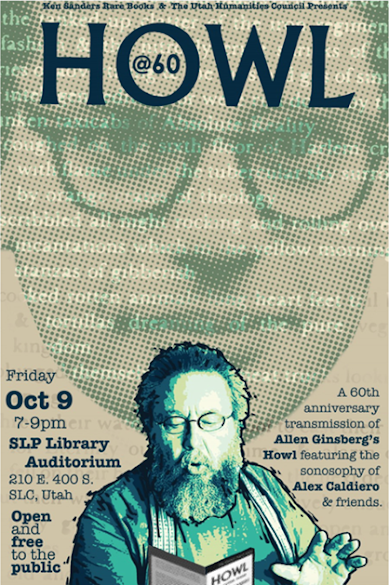
Images: 1. Alex Caldiero with Scott Abbott. 2. A poster for a Howl event with Alex Caldiero at the bottom. 3. An open page from one of Alex Caldiero’s notebooks.

Holy Nodding Donkeys!

I know it’s April Fools’ Day, but this is no joke. My full-length manuscript Crude has been accepted for publication. It took most of the morning to write that last sentence because it doesn’t seem real. I’m actually just sitting here now thinking of what to write next.

I feel funny in a good way like when you have a colonoscopy and they give you Propofol so you wake up loving everyone and wanting to call them on the phone to say I love you and you love your gastroenterologist so you tell him so and you love the nurses and techs so you tell them so and you run around in the waiting area in your paper gown with your butt hanging out telling everyone you can how much you love them because you love them you really do you really love them.

I’ll share more details when I can. At that time, I’ll do a more formal announcement that doesn’t read like this one.

No Manifesto

It’s haunting to read the “No Manifesto” poem from Chicago Review ten years after it was published. It came out thirteen days before I left poetry because I experienced some of the very issues this poem addresses. It’s situated in a time and place, or rather places, but is also timeless in that too many of the lines could be written today and still be applicable. What a mess we’ve made of poetry. I want better for it, for us. I wanted better for myself.

This is actually the first time I’ve seen the poem and this issue of Chicago Review, which includes a forum on “Sexism and Sexual Assault in Literary Communities.” The “No Manifesto” poem begins on page 221 of the linked document. The poem is 13 pages and 271 lines long.

We’ve been fighting this fight for a really long time. I can’t even see who’s been fighting alongside me. What I see is who didn’t, who hasn’t. When my loneliness leaks into the fissures left by poets and their complicity, it feels like the time I poured salt on a gash in my hand under the magnolia tree in my backyard on a sunny, blank day. I was a kid then. I didn’t know what pain was but wanted to. I’m an adult now and have no need for this pain that won’t stop seeping.

Word-twisping

That was fast. All fifty of the copies of No Sea Here that Moon in the Rye Press gave me are spoken for. I’m now digging into the copies I purchased at a discount, so I’ll be pivoting to a pay-what-you-can model. I hope that model will allow everyone to have a copy regardless of their ability to pay. I also love trades of all kinds, so that’s always on the table.

I’m mailing the first fifty copies out tomorrow, which means I get to visit the Toquerville Post Office, one of my favorite places in Utah. It sits beneath a steep hill festooned with chunks of basalt the size of economy vehicles. None of them have dislodged and killed anyone, at least not yet. Death by igneous rock is on my list of preferred ways to shed this mortal coil, which I always say in my head as cortal moil the way I used to call my friends who were dating Sherry and Jelly when their names were actually Jerry and Shelly.

This word-twisping is not something I try to do. It’s one of the ways my dyslexia makes itself known. Dyslexia is my mischievous little language friend who never fails to entertain me. It’s wearing a cute devil costume right now, kind of an inside joke. Dyslexia is such a comedian.

In other news, I’m happy to report that some poets are still people. I almost typed pets, which would also not be awful. Poets are sometimes people, sometimes pets, and sometimes a pestilence. I said what I said. Mostly, I was riffing on the sounds of the words. Mostly. Let me have some fun, OK? I’m going on day three of a migraine, which is in turn causing my centralized pain syndrome to flare. This is what I get for being in a body. My body doesn’t know how to have fun. Even my dyslexia can’t make it laugh.

‘No Sea Here’ Is Here

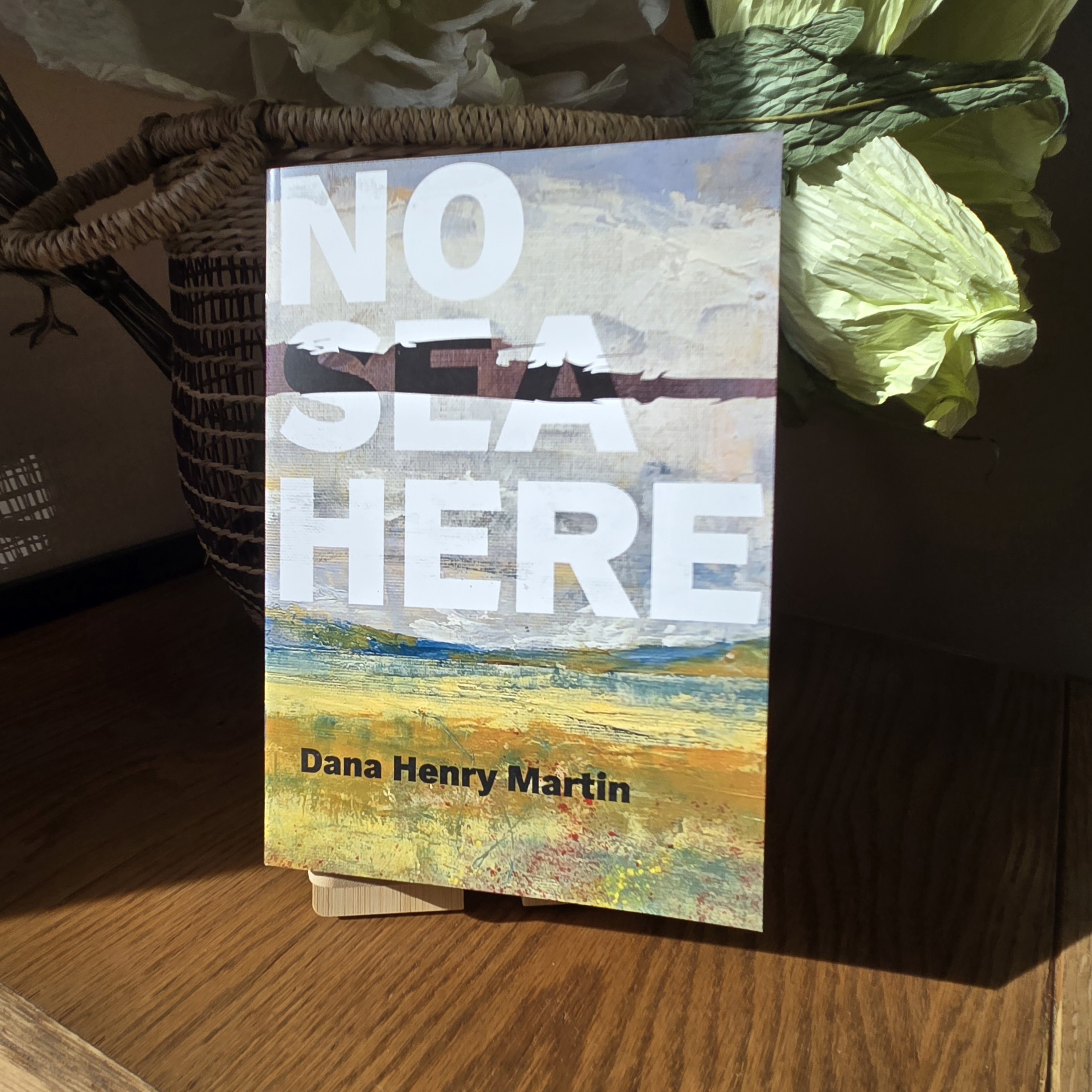
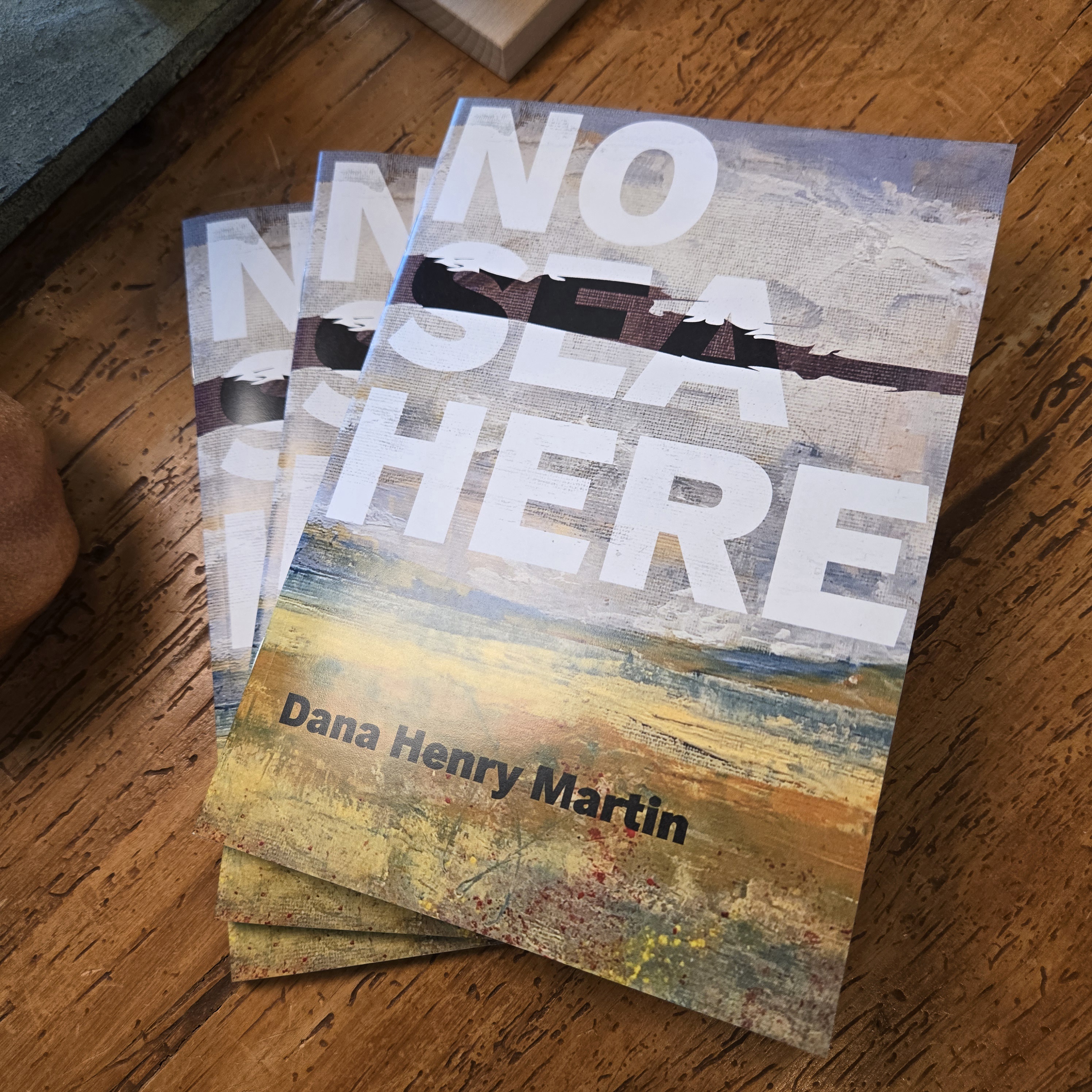
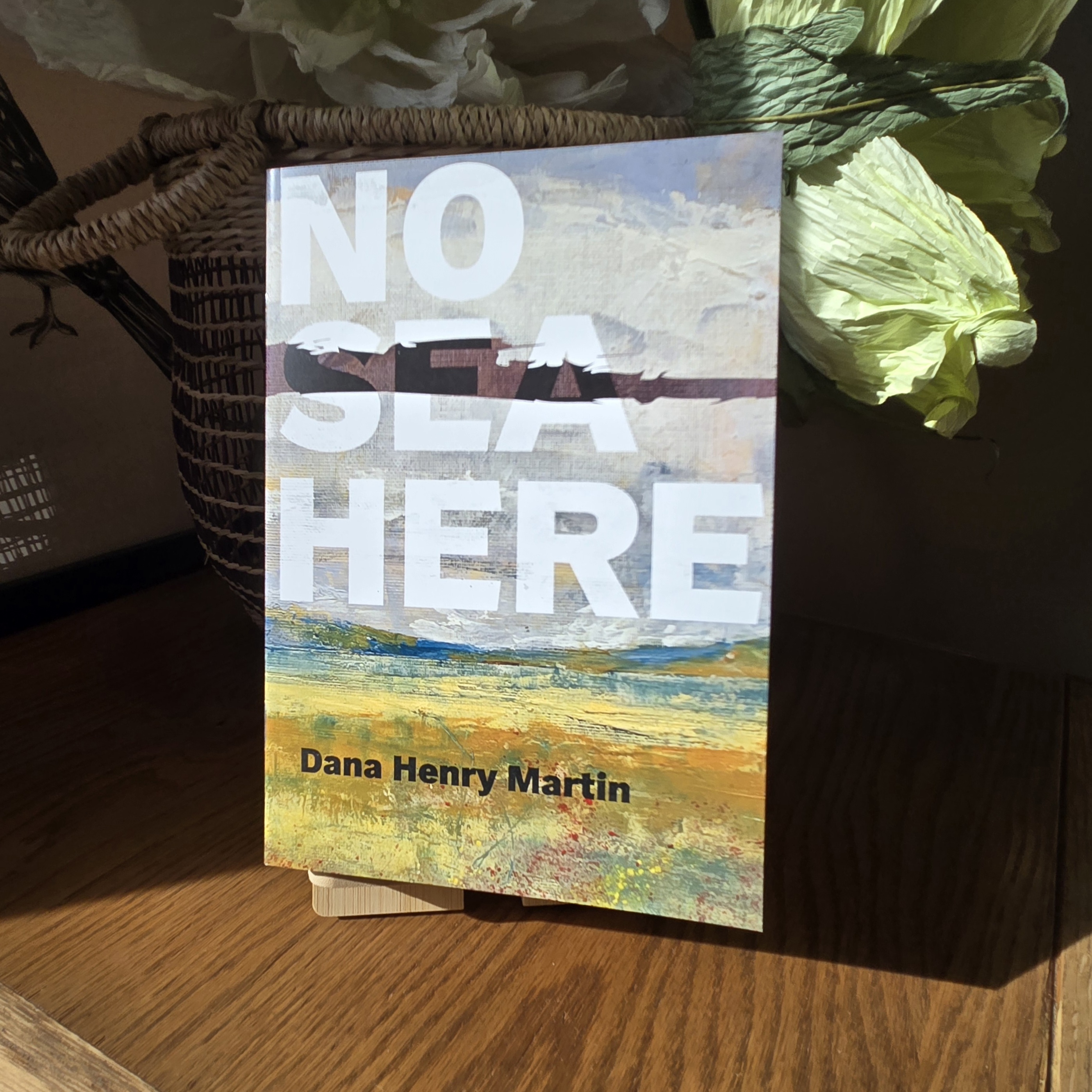
My chapbook No Sea Here is finally here, thanks to Moon in the Rye Press, Lisa Bickmore and Jem Ashton, and funding by the Utah Division of Arts and Museums.

I received fifty copies as part of this micropress project and plan to give those to folks who have already generously shared their work with me, who have helped with the collection, and who have, dare I say it, made me a better poet and person.

After the first fifty copies are gone, I’ll have additional copies available that I purchased at a discount. For those, I’ll use a pay-what-you-can model to help offset my costs, including postage, while also making sure anyone who wants a copy can have one. If there are any profits, I’ll donate them to a social or literary nonprofit.

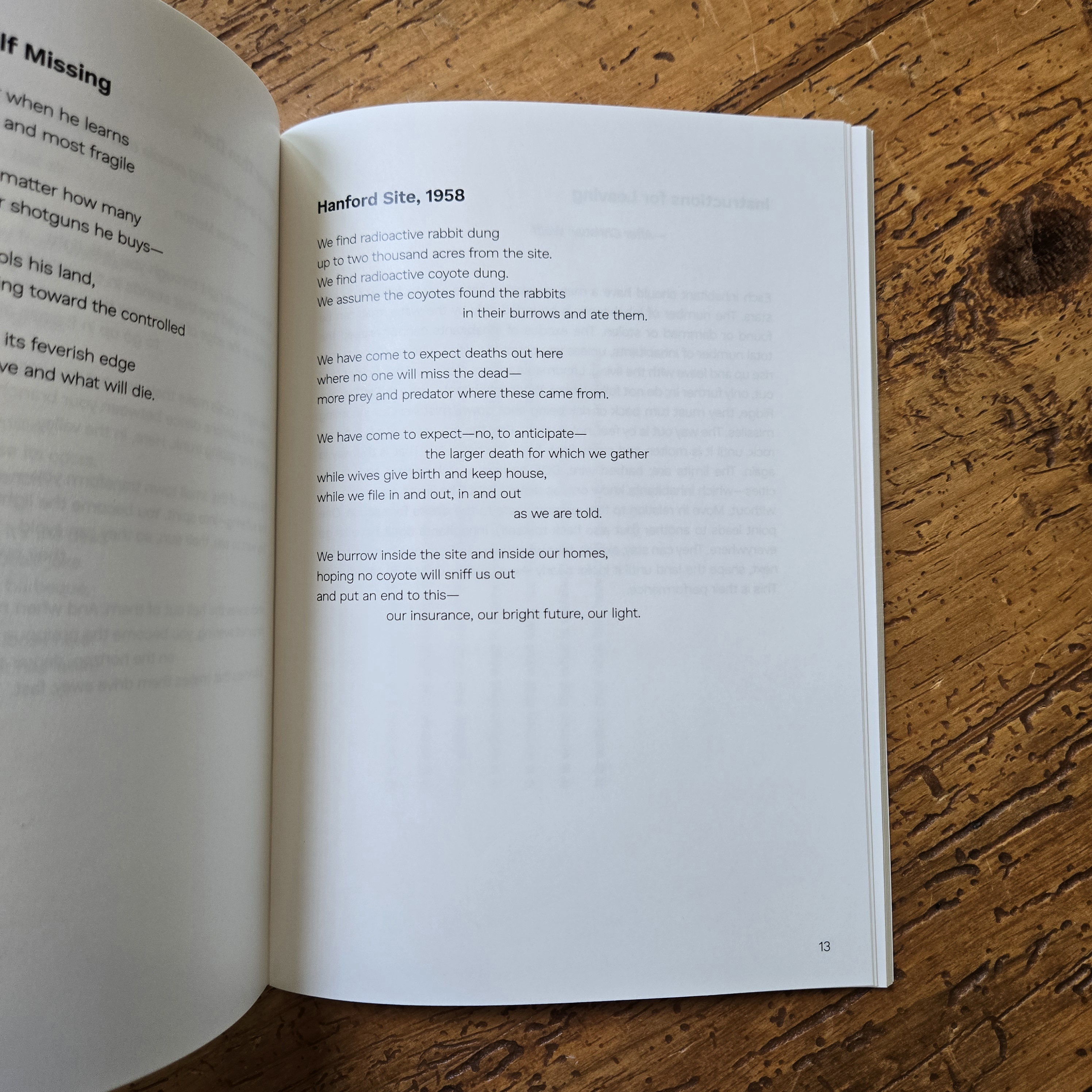
Images: 1. No Sea Here in the afternoon light. 2. An interior page from the collection. 3. Fanned-out copies of No Sea Here. 4. The back cover of the collection with the Moon in the Rye Press logo.

Spring in Salt Lake City

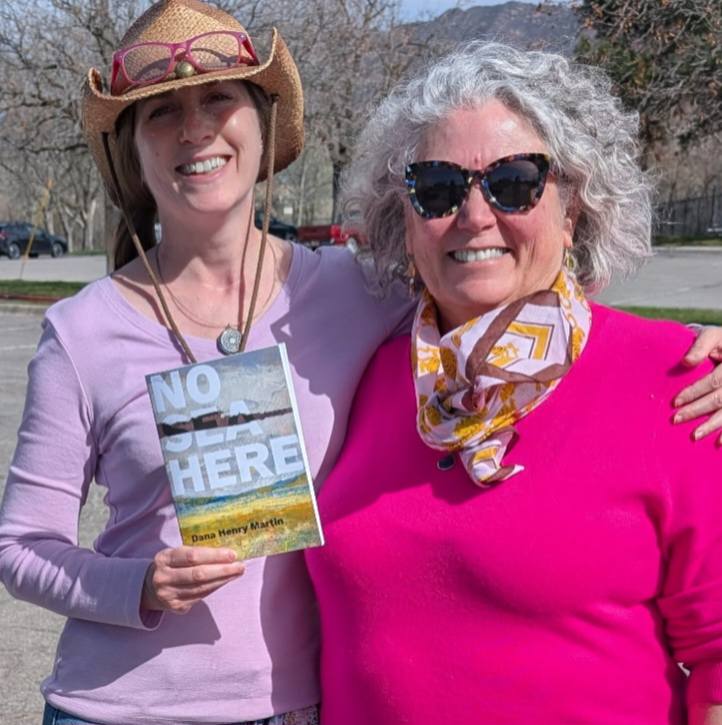
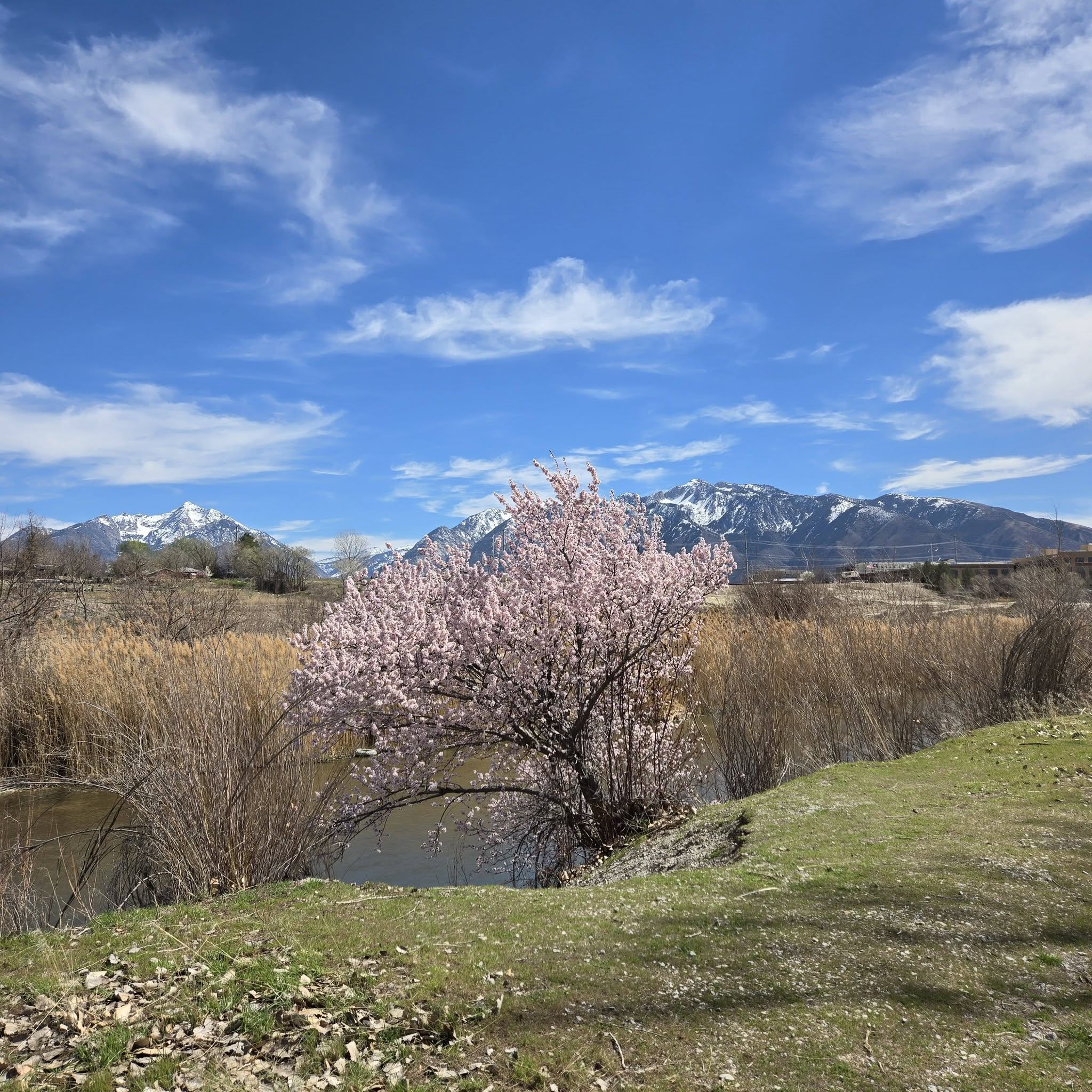
Spring in Salt Lake City and my collection No Sea Here from Moon in the Rye Press in hand.

Images: 1. Lisa Bickmore giving me my copies of No Sea Here in Salt Lake City. 2. Along the Jordan River Trail near South Jordan, Utah. 3. Another view along the Jordan River Trail. 4. The life partner, Lexi, and me at Gardner Village in Midvale, Utah.

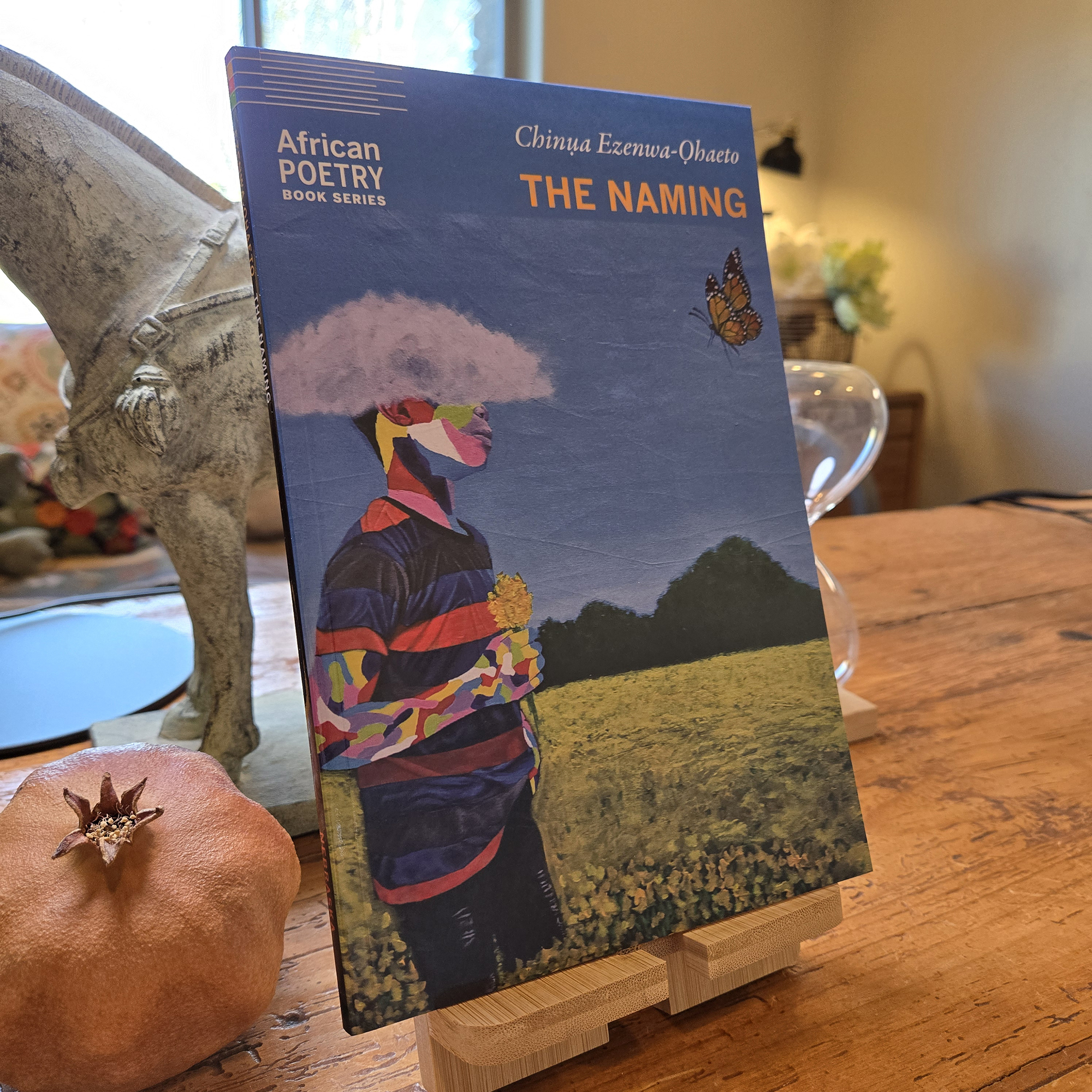
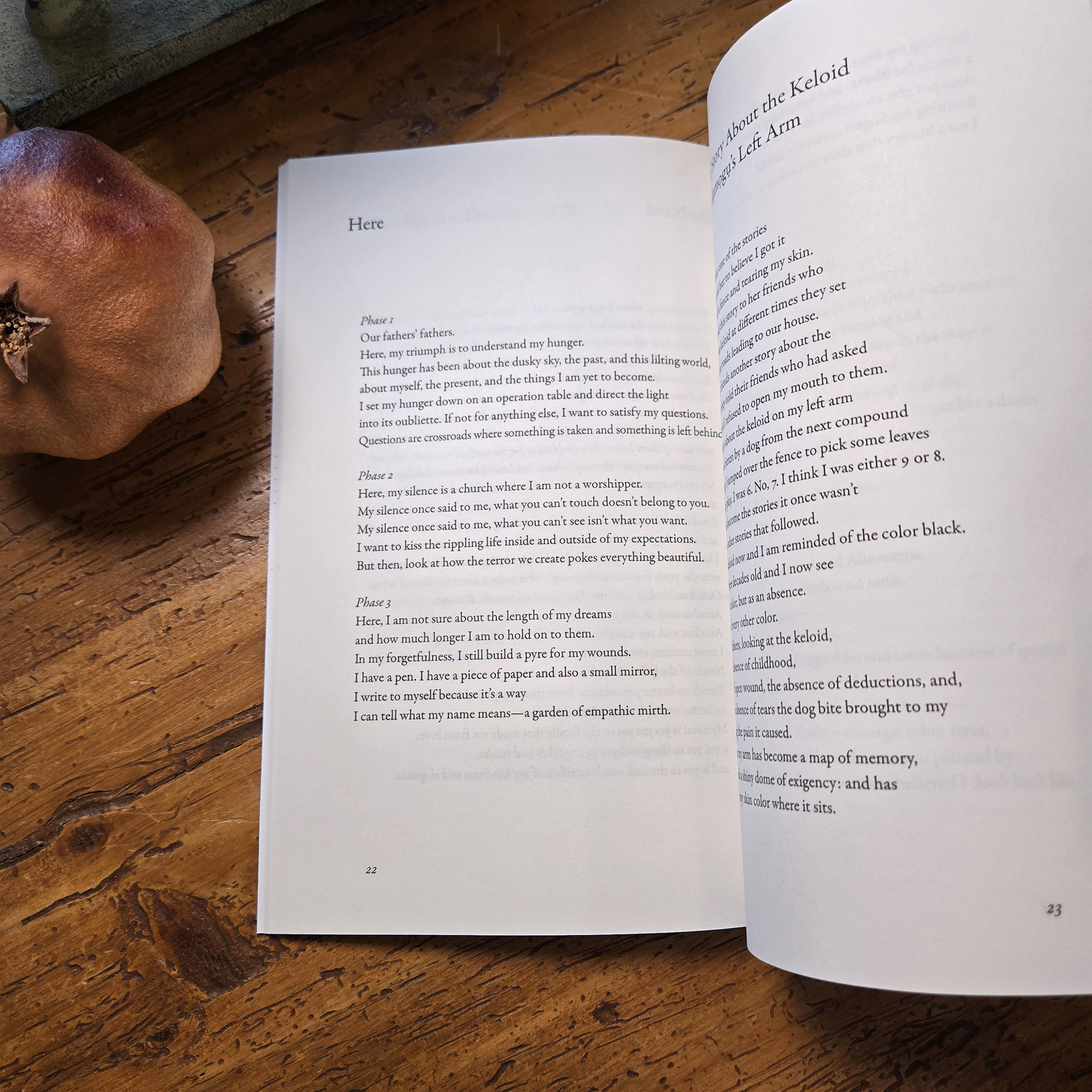
The Naming, Chinụa Ezenwa-Ọhaeto

This collection is a reconciliation: with the personal, the familial, the ancestral, the spiritual, the terrestrial, the institutional, and the political. It is a world that is being created over and over again because of and through the past, one in which the speaker finds himself in time and place but also outside time and place with the help of his “father’s fathers.” I feel deep history and deep love in this work. It’s the kind of collection that makes me think, “I’ve been doing it all wrong,” and by that I mean living—in the here and now, without calling my ancestors in close, my mother and my mother’s mothers. The Naming points at history to find out where it hurts the most, but it also points at us to show us how we can begin to heal.

Images: 1. The collection on a stand with a pomegranate, a horse sculpture, and an hourglass. 2. Interior pages from the collection alongside the pomegranate.

Seedbox

Poems that occur outside are becoming less popular, especially poems in, about, and from wild places.

We increasingly live in boxes and in boxes inside boxes.

We write poems about the boxes we live in, where the poems themselves are boxes that are capable of holding nothing or everything.

Birds seem to be OK still in poems, usually written about superficially or inaccurately.

Trees, same deal.

Some trees just appeared in a poem I’m reading as I write this post. They have no names but filter light. Dappled is the word the poet uses. Dappled holds nothing where trees are concerned. Dappled is not even in the box of the poem.

A Facebook post is a box inside a larger antisocial box parading as a ballroom floor where nobody knows the box step.

My office is a box inside the box of my home that looks out on a desert punctuated by more and more boxes every year. Some of those boxes move. Others never do.

I think ghosts are boxes but can’t prove it. I know some ghosts break down over time in monsoon rains. Be careful with that cardboard you’re handling. It may be your grandmother as a box.

The trees in this poem I’m reading are talking. They’re asking questions. They’re interrogating orchids. Of all the flowers worthy of investigation, orchids don’t even make my list. I want a word with the seedbox flower, aka the rattlebox. I want to know about its cubic capsules and rigid sides, why it decided to go out into the wild and be a box when it could have been anything. Explain that, seedbox. Answer for yourself.

I don’t know. I just don’t know. Maybe we should stick with boxes, not birds and trees and flowers.

At this very second, a box is lumbering down my dead-end street in the form of a trash truck to pick up recyclable boxes from a bin that’s just a fancy box.

There’s no end to boxes once you start paying attention to boxes.

There are probably more boxes on Earth than trees or birds or orchids or even poems.

The next time someone asks how I am, I’m going to say I’m boxes is how I am. It won’t make sense, but it still will be true.

Well, would you look at this? Turns out we’re full of cuboid epithelial cells, so I am boxes and I do make sense as boxes.

But our lungs are trees and our scapulae are wings. There’s no removing these wild things. We have within us what is beyond us even as we try to erase ourselves from anything that doesn’t box us in.

This essay initially appeared on Facebook.
Scattering Light

My manuscript Crude was shortlisted for the Lightscatter Press Book Award, judged this year by Heid E. Erdrich.

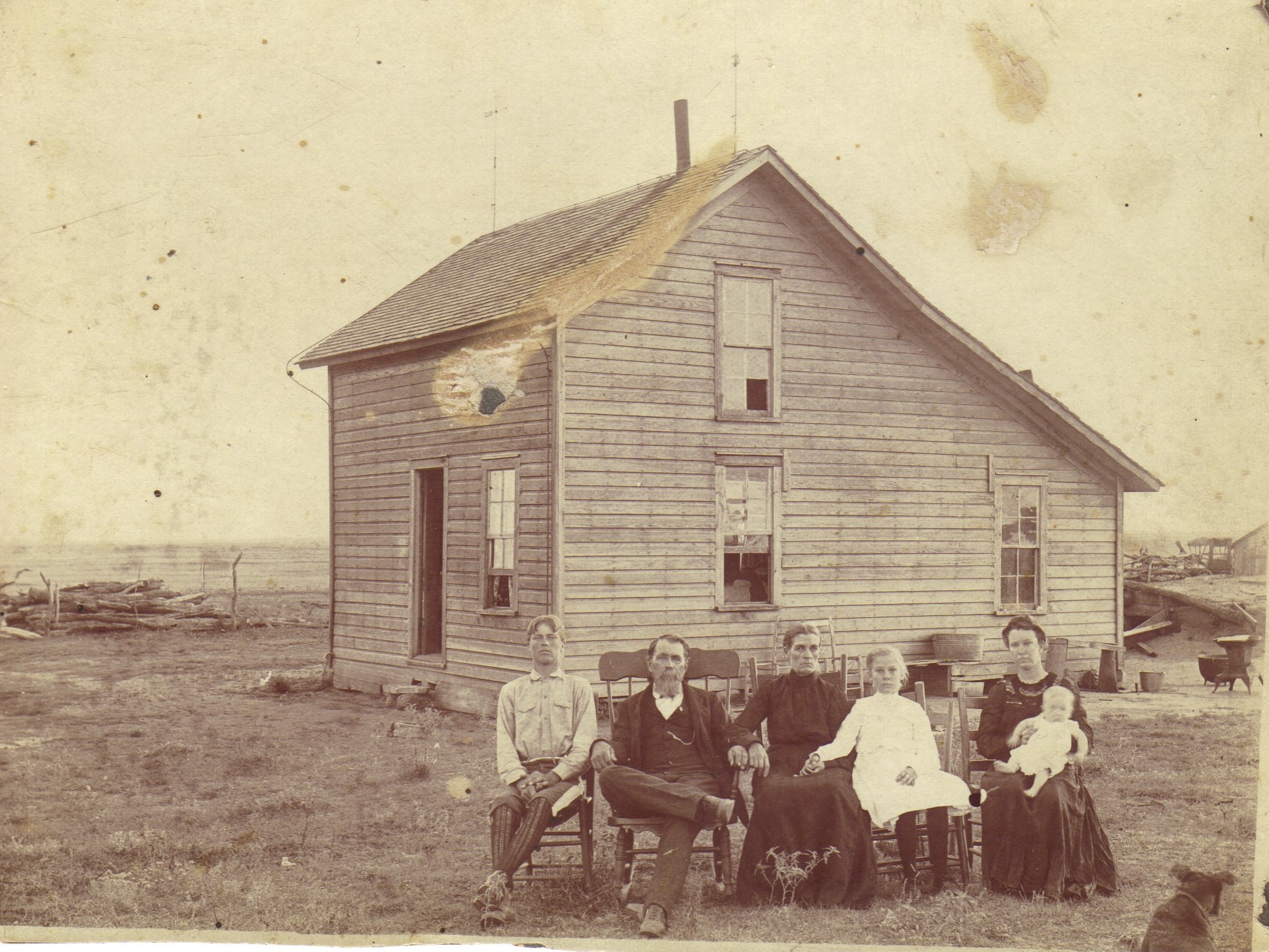
I’m from Oklahoma. Crude is set largely in that state. The work deals with issues related to trauma, healing, and the formation (and destruction) of identity through places and what happens in them. The word crude functions in several ways in the manuscript. It captures what is raw and coarse and also speaks to the oil industry, which informed so many people’s lives in Oklahoma through the 1980s, including my family’s.

Things like the Dust Bowl, the Great Depression, and the oil boom (and subsequent bust) may seem like forever ago and like they have nothing to do with your story. But Crude is where we were and where still are, all of us. We are all hurting in one way or another in this crude country and this crude world. We are all healing in this crude world, too. Or trying to.

We’ve survived, my kin and me, the unthinkable, the unimaginable, the unsurvivable. Surviving the impossible is possible. That’s my story. It’s that I’m still here and so are you.

Lightscatter Press is a micropress here in Utah whose publisher, Utah Poet Laureate Lisa Bickmore, and board of directors all live, write, and work in the state. It’s one of those dream presses for me because of the people involved and what the press embodies. I’ve said before that I don’t aspire to be on the biggest press. I want to be on a press that cultivates a sense of community and connection, a sense of people and place.

I’m touched by this. It’s good to know my work matters in some way to some people. After all, I’m not writing about what I’ve experienced for fun. It’s not an exercise. It’s a decision to enter into a way of being and to remain there for as long as it takes, which I hope is as long as I live.

The winner of the award is Sagirah Shahid, whose book SPIRIT: An African American Muslim Lyric, will be published in Spring 2027.

Image: My mother’s grandparents, father, aunts, cousin (who was passed off as an aunt if the rumor is true), and dog in front of one of their early homes in Oklahoma. This family photo and many more are woven into the fabric of Crude.

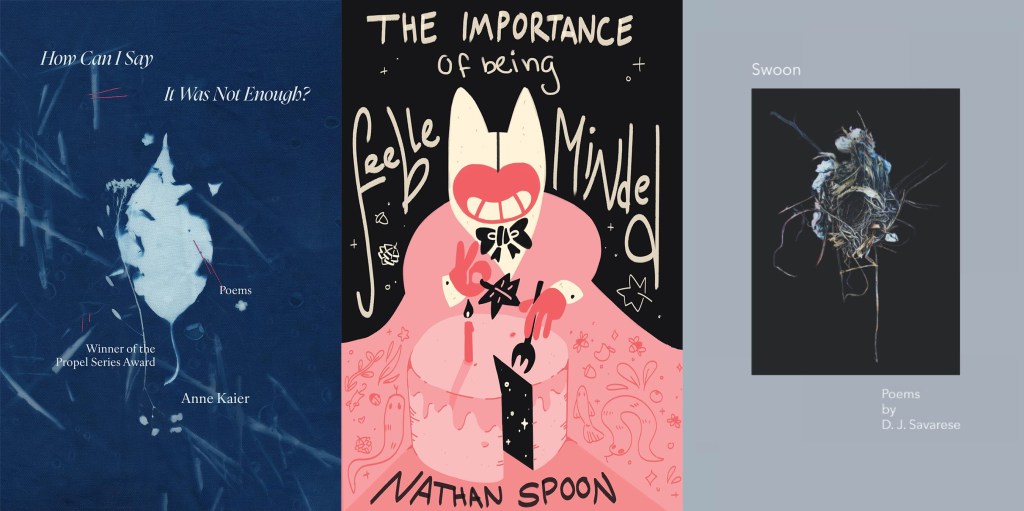
Propel Disability Book Series

I’m thrilled to announce that I’m joining the advisory board for the Propel Disability Book Series at Nine Mile Books. Propel focuses on disabled poetry, noting that disability is often overlooked in publishing, even by presses that prioritize other forms of diversity. All Propel books are written, edited, and produced by disabled poets.

Steve Kuusisto invited me to be part of Propel in this role. I can’t capture in words how much this opportunity means to me. The work is essential and dovetails with my personal experience and advocacy around severe health- and mental-health issues, neurodiversity, and trauma.

This role also gives me a sense of belonging, which is something I don’t typically feel. Belonging is also essential and allows us to do our best work in the world with a sense of meaning and purpose. I mean it when I say I’m honored to serve something bigger than me and something that matters to me in poetry—all while being accepted for who I am and the perspective my experiences have given me.

I feel like a clipping that’s starting to grow roots, the magic of that.

Image: The covers of three collections from the Propel Disability Book Series. Left to right: Anne Kaier’s How Can I Say It Was Enough?, Nathan Spoon’s The Importance of Being Feeble-Minded, and D.J. Savarese’s Swoon.