In a world of ribosomes (poets) crowding the nucleus (poetry establishment), live reeflike as the smooth endoplasmic recticulum on the outskirts of the cell. This is where synthesis happens, and much-needed detoxification.
Shown: Image of a cell I altered so the labels apply to poets and poetry: Establishment Poetry, Barrier, Poets Girdling Establishment Poetry, Reeflike Synthesizing and Detoxifying Poets.
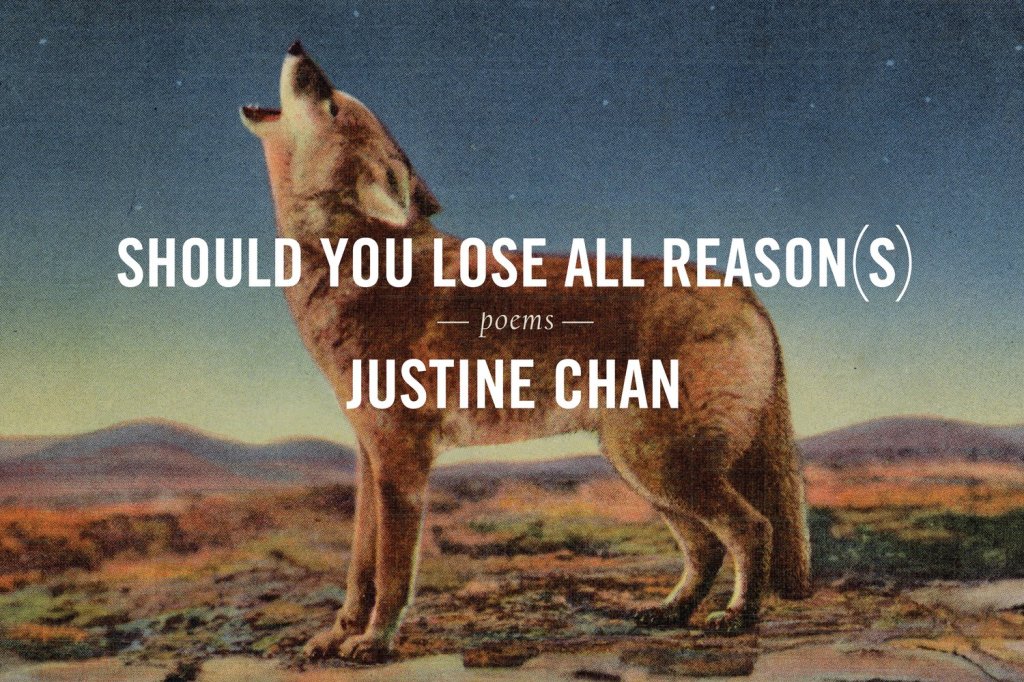
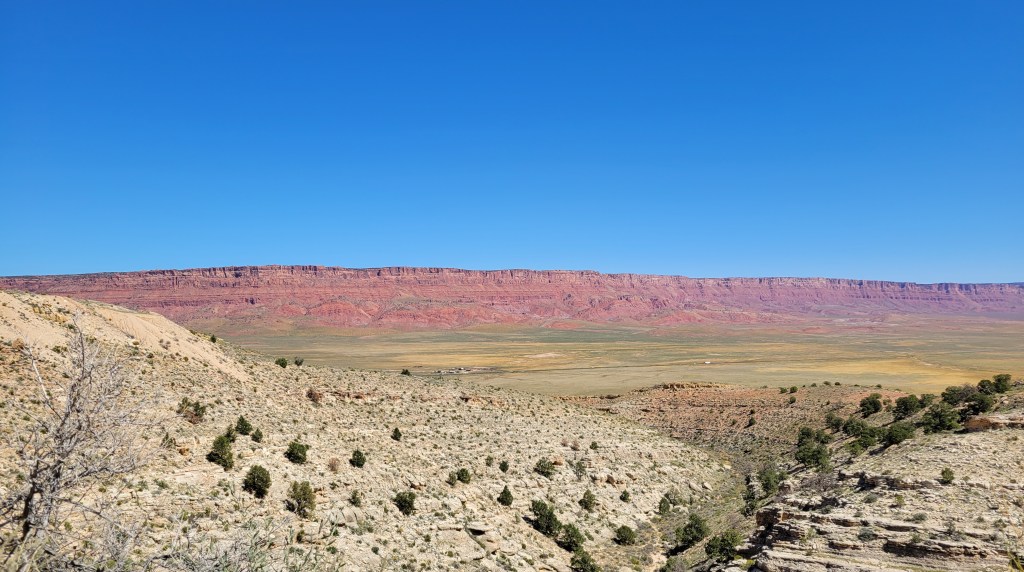
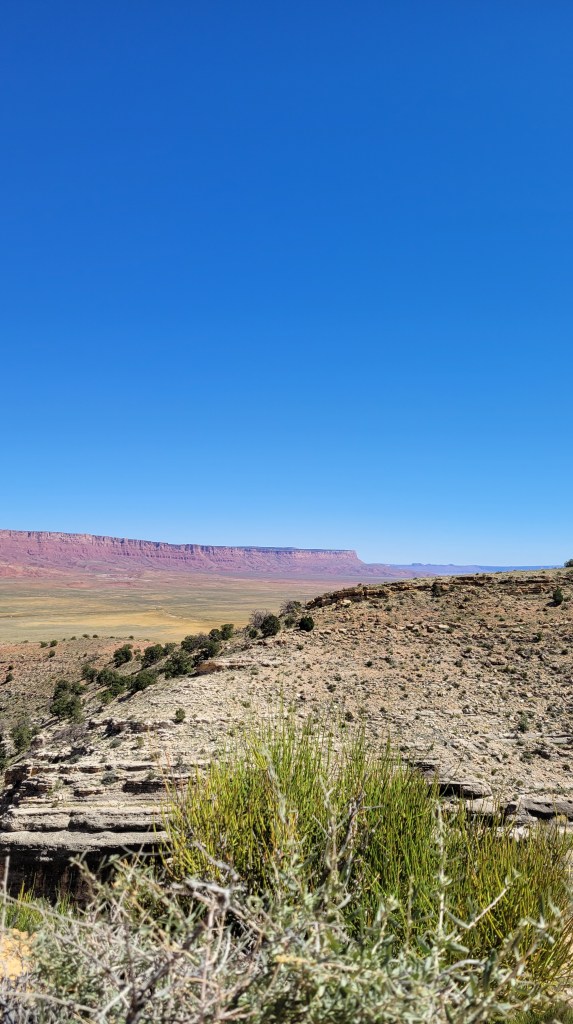
I’m reading Justine Chan’s poetry collection, Should You Lose All Reason(s). It’s based on her experience of a Southern Paiute myth she told over and over when she was working as a park ranger in Zion National Park, which is just a few minutes from our Utah home. I found the collection in the Springdale, Utah, library the day Jon and I drove out that way.
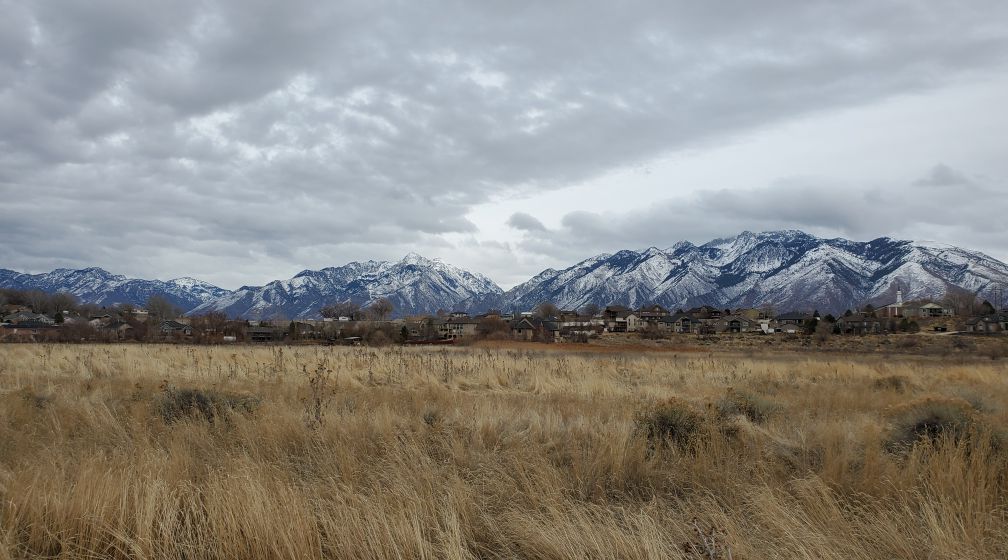
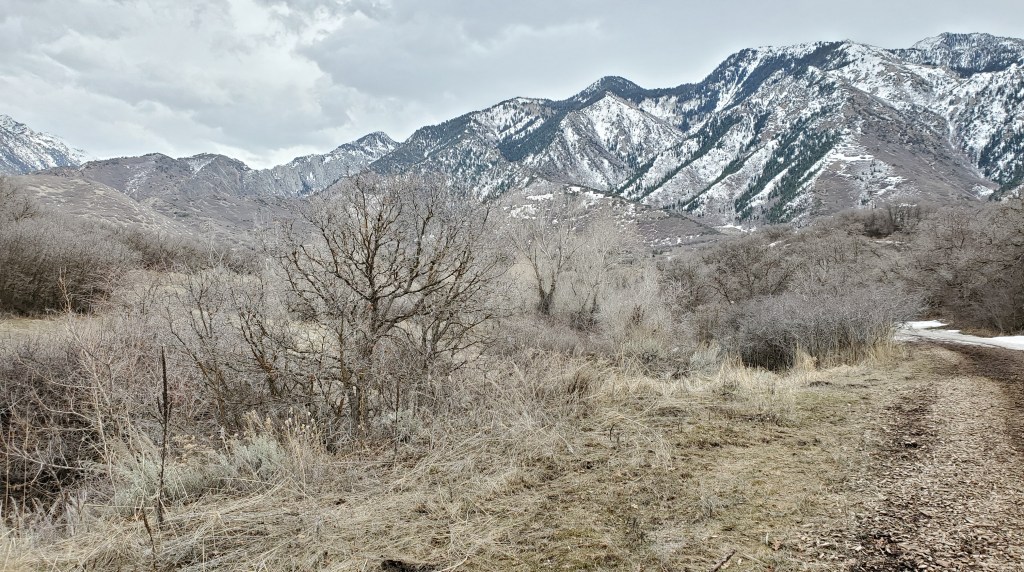
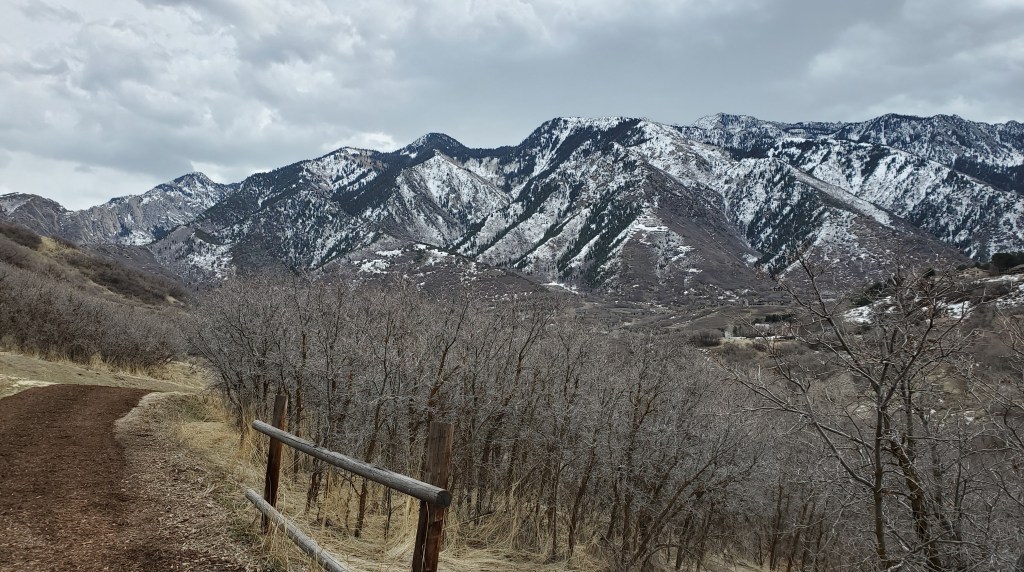
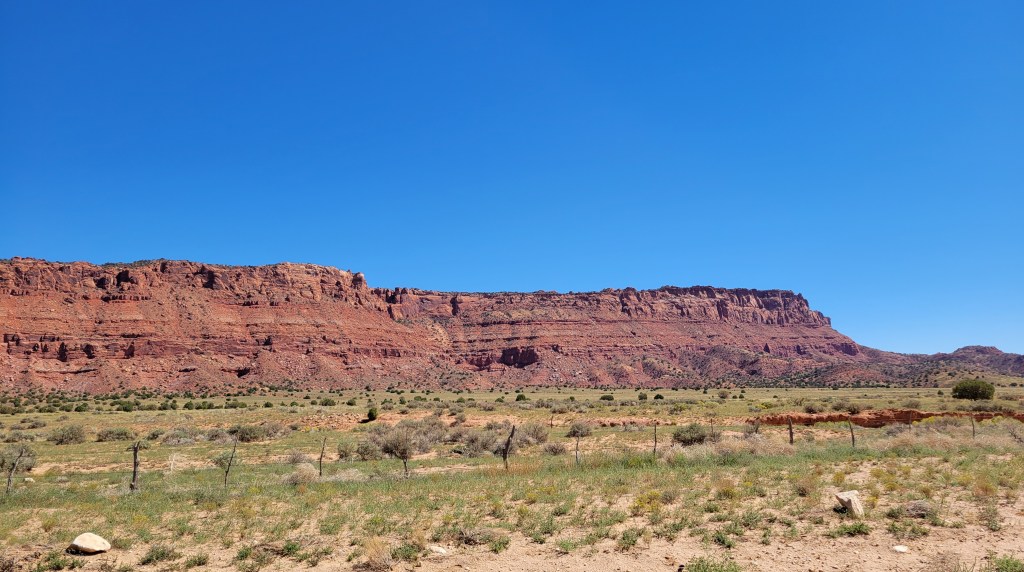
Chan lives in Washington state, where we lived for about a decade. Somehow, that makes her work resonate even more deeply for me. I’ve always felt a connection between Eastern Washington and Southern Utah. Where the land is concerned, I mean. The wildlands and the wildlife and how human consciousness is informed by both in ways they might not be elsewhere.
These poems are enveloping. They’re somehow a deep dive that feels like wading slowly into a welcoming body of water. Some parts remind me of Woman and Nature by Susan Griffin. Others remind me of a pillow book, namely the poems Rebecca Lindenberg has written in that spirit.
These poems speak to place, to identity, to what it means to live in a larger, natural world—or to live away from nature. Of who we are and how we become and how we continue. The speaker, I mean. The speaker, but also all of us. Also me, as a reader. (And maybe you if you choose to read this collection.)
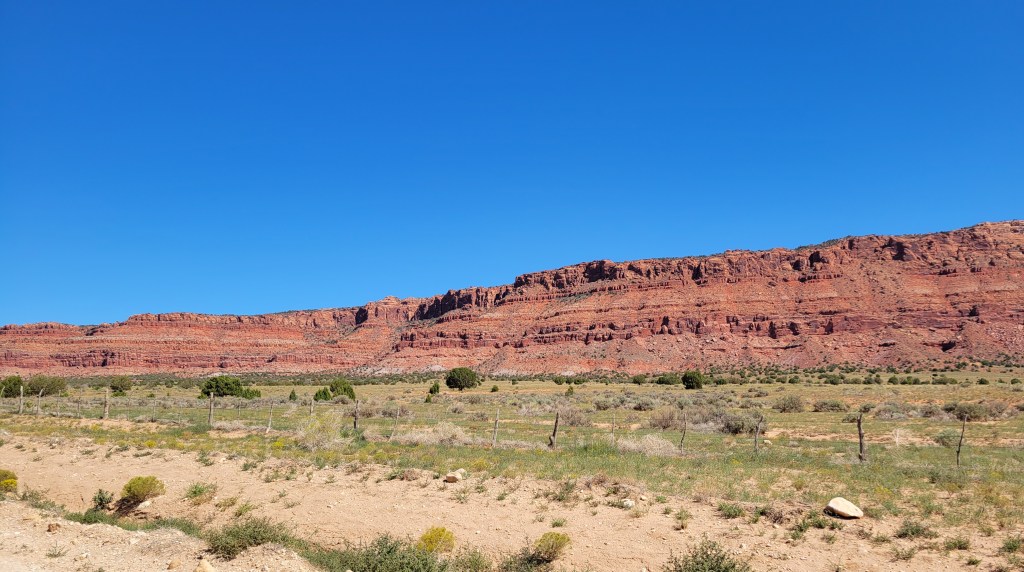
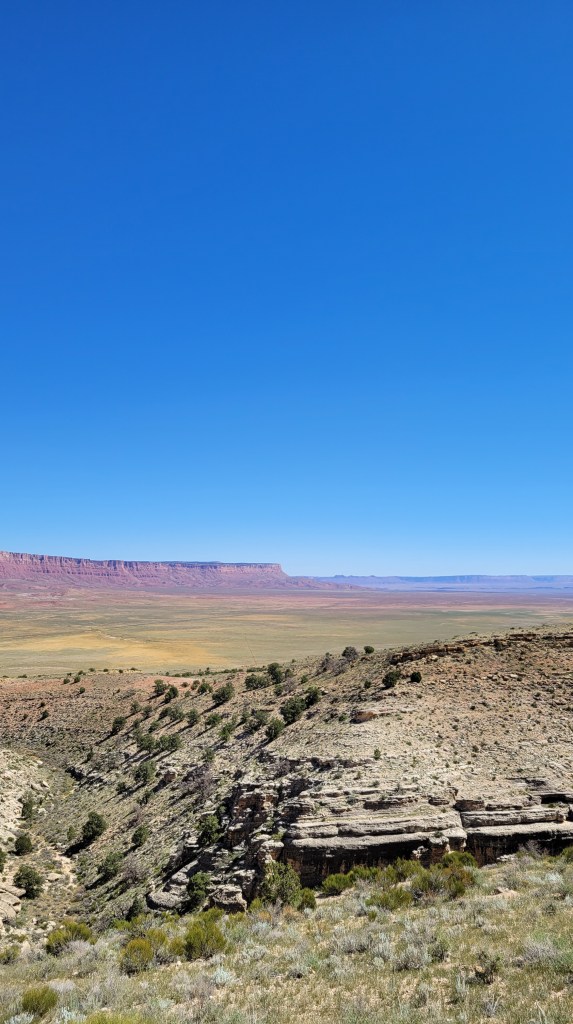
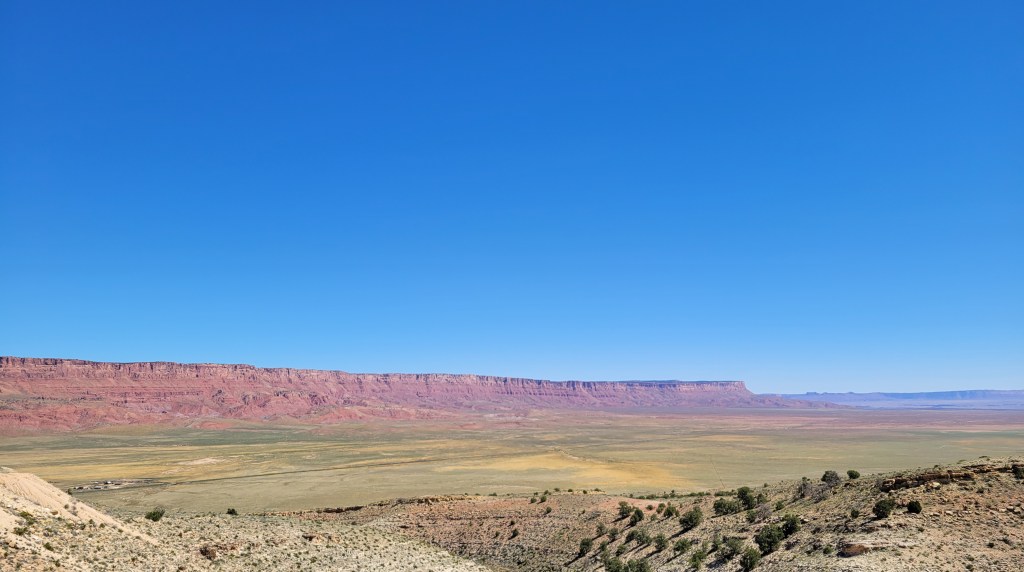
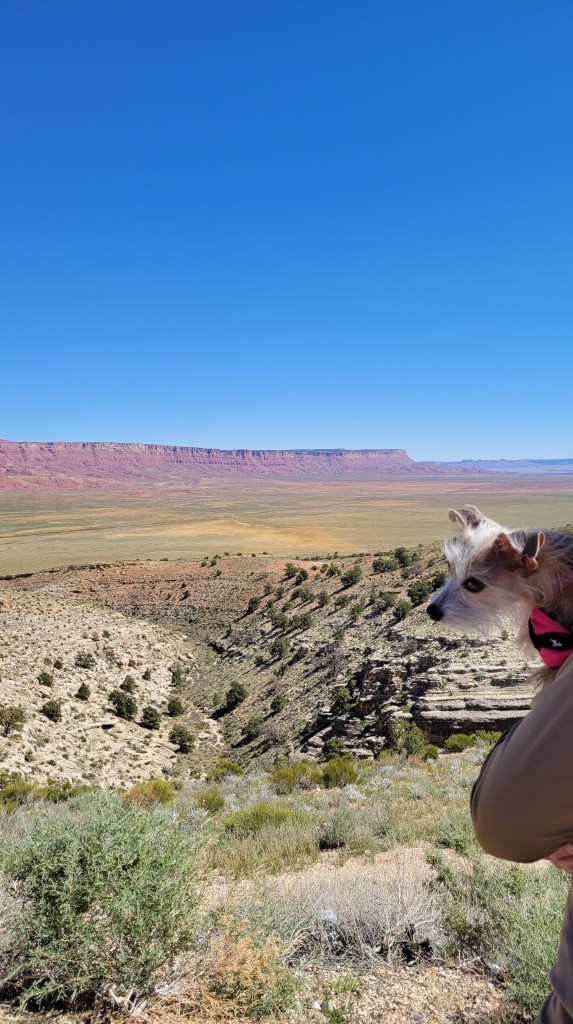
Chan writes this place, Southern Utah, in ways that are image- and sound-driven without sacrificing authenticity, vulnerability, or accuracy:
You will get used to never seeing the full red sun as it rises or sets. You will see peregrine falcons and turkey vultures circling overheard, but never the condors.
None of the pictures you take will be quite right. Not in focus. Or the light’s not right. Or there is just too much.
You will bask. You will burn.
The bark of the spruce on the rim will always smell sweet and fresh in between its flaky scales.
The people will forget there was ever blanket poisoning of the public lands. That there are bounties for pairs of hacked off ears. That less, to rescind, must mean more.
Most of Chan’s lines are impressively long, like someone trying to stretch their arms as wide as the mouth of a canyon. The book is actually much wider than it is long to accommodate those lines. (It’s designed to look like an oversized postcard.) Her approach is somewhat experimental: at times bivocal, at times hugging the right margin or drifting cloudlike down the page, at times interspersed with dates and facts, and frequently breaking into song. (She quotes lyrics from sixteen songs throughout the book.)
I hope folks take the time to read this collection. Because. Just because.
Because the air is so hot, full of rasping. The land so full of landmarks and stories you can’t even begin to know.
Because you feel some part of you was / is / will always be secret.
Because the crickets are madness, a roar that fades to silence / if you forget / to listen.
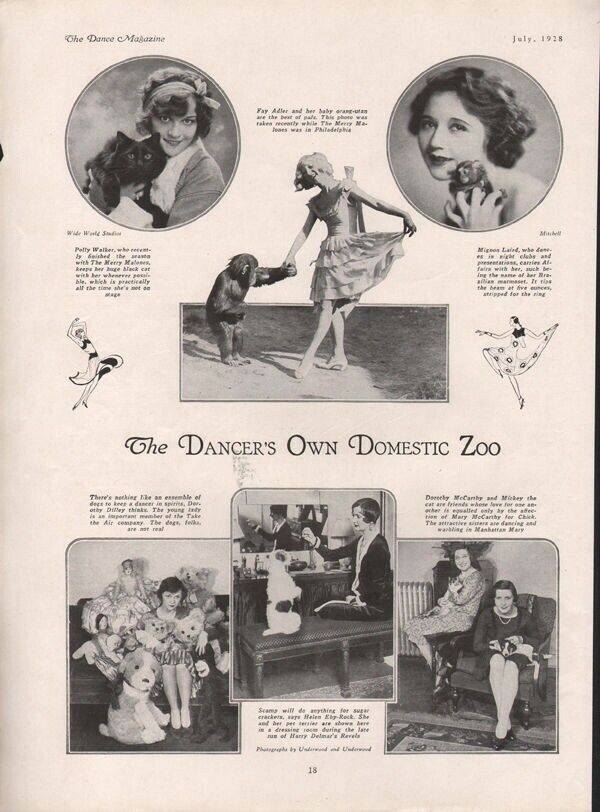
This page from The Dance Magazine, dated July 1928, features Mignon Laird. She was one of the dancers at the time who had their own domestic zoos. Laird’s father was involved with the circus. I believe he was promoting circuses, but he also had elephants at one point and aspired to have his own circus. The Thornton side of our family knew the Lairds, and my mother was named after Mignon.
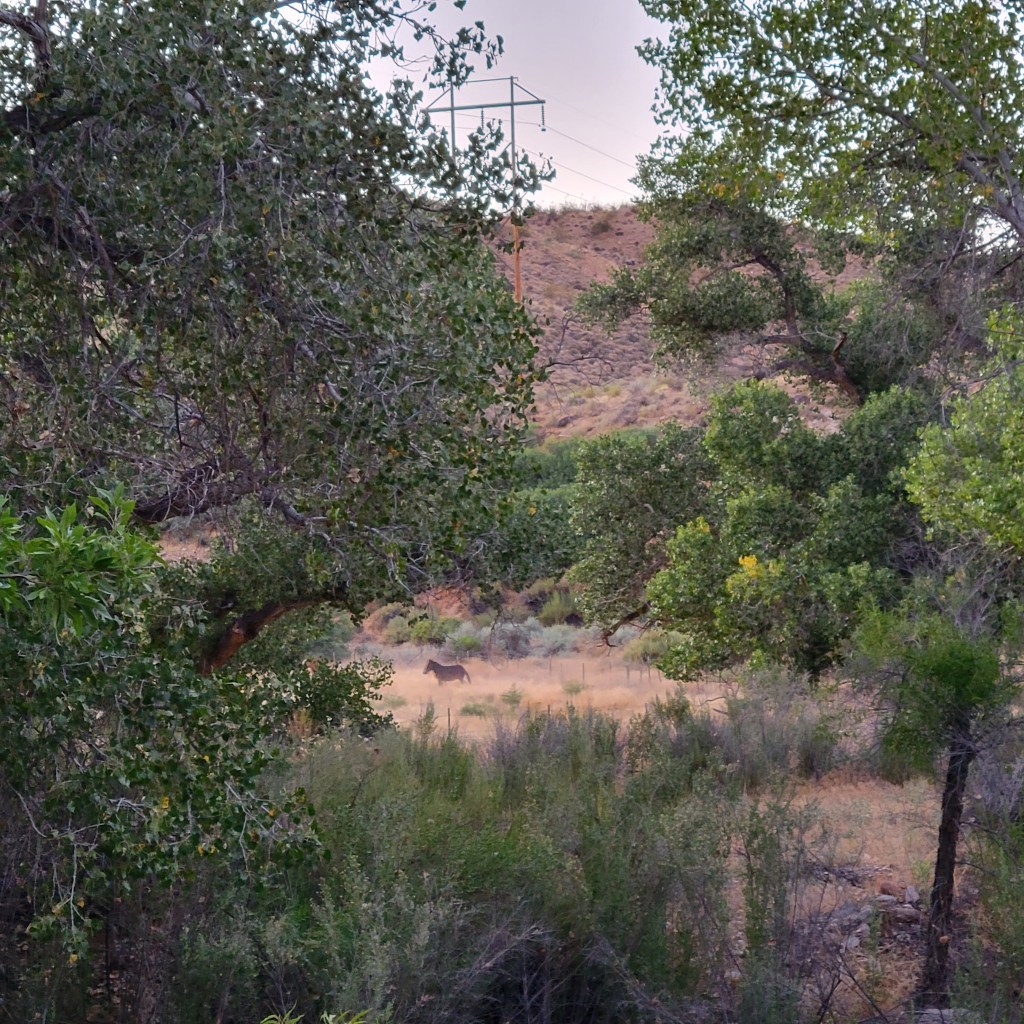
Clare, last night I saw horses, more than a dozen of them. First, I saw the dust they were raising as they ran, then I heard their hooves on earth, that dry drumming, then I saw them through the trees just on the other side of the Virgin River. They weren’t wild but they had enough space to act wild. There they were in the sage and dry grass moving like the river when it’s boated, fluid like that and strong, wanting nothing but this moment, nothing but each other. Keep writing your horse poems, Clare. A horse is a heart outside the human body who reminds us we each carry a heart within us, one that beats like a hoof hitting dirt. We need horses more than ever. We need your poems.

 Dana Henry Martin