Happy Trans Day of (Indi)Visibility.
I just saw an ad that read: Turn Your Expertise into Jerome. I was like, Who is Jerome? It actually said Income, but I’m dyslexic and the font was swashy.
The yellow-throated warbler is the happiest of all warblers, and I will fight anyone who says otherwise.
I put a bird in a box
so it wouldn’t be hurt
by the wind
I put myself in the wind
so I wouldn’t be hurt
by the box
—
Inspired by an Oklahoman who put a native sparrow in a box on a windy day because she thought the wind would harm the bird.
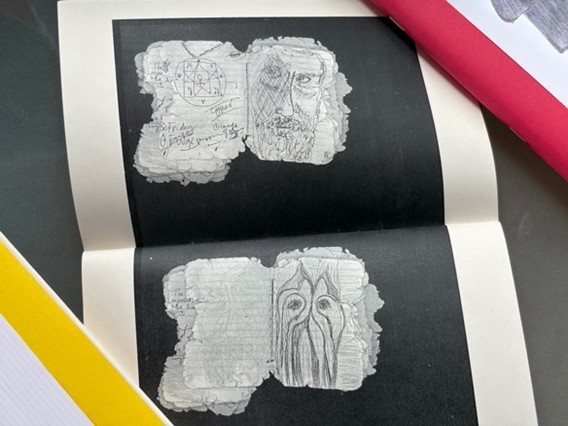
I dreamed Bill Knott’s mind had been transferred to millions of pieces of paper. They were lying all around me in a vast room, each one folded like an origami prayer boat meant for a memorial ceremony, but there was no water anywhere on Earth for them to float in.
(ツ)_/¯ I guarantee my reasons for not liking our former sheriff are very different from our local alt-right extremists’ reasons for not liking the former sheriff. ¯\_(ツ)
This public speaker was being interviewed, and he kept saying co-creation, but I heard it as procreation. Imagine my confusion when he said he wanted to co-create with his partner, his co-workers, his friends, his family, and his children.
I’m doing the floss this morning along with a little song I wrote called “Our Shitty Fucking Sheriff Resigned” because our county’s shitty fucking sheriff resigned suddenly and without explanation. I had several frustrating interactions with him when I was dealing with complex PTSD and bipolar issues in 2023. He was unhelpful, clueless, patronizing, and demeaning.
Our shitty fucking sheriff resigned. Our shitty fucking sheriff resigned. Sing it with me now.
Oh, and he resigned on International Bipolar Day. Even better. What a gift. How thoughtful of him. And all I got him in return was this victory dance.
Someone from my weaving group is getting rid of four styrofoam heads, so Styrofoam Heads keeps showing up in my inbox. It’s weird. I love it.
Our little town has gathered to watch a rattlesnake climb the wall of a neighbor’s house. It feels like very olden-times entertainment. The life partner is down there with everybody. I am here with myself confronting the snake that is automated AI results embedded in the Yahoo search that’s somehow made itself my preferred search engine.
Evening, a sun-drenched power line is a whip of water cracking the air.
I just misread breaking news as heartbreaking news, and that should be what all breaking news is called these days.
I’m rage-eating gummy bears is how I am.
I’m threatening my nasal cavity with a neti pot is how I am.
Based on my last couple of Facebook posts, people appear to like poetry thirty-five percent more than they like bacon.
I just misread a beacon of hope as a bacon of hope is how I am.
I ate bread in the shower is how I am.
These days, getting to the end of a roll of toilet paper is exciting. I’m like, achievement unlocked. I literally say that.
I had to buy bigger underwear is how I am.
As an Oklahoman, I want to apologize for Markwayne Mullin.
I am dyslexia strong.
Book title, free for the taking: Plastination.
It could deal with the literal plastination of the body or the figurative turning of a country into something as caustic and inorganic as plastic.
I just misread donor organ as donor orgasm is how I am.
Oklahoma is like one of those relationships you just keep finding yourself in again.
If I didn’t have a spine, I would feel like I was one with everything. It’s this skeleton that makes me feel like a soul clinging to bone, something separate from, not part of, something that will one day break.
You know that feeling when you suddenly have to poop right after you take a shower? That’s how Monday feels.
Alex LaMorie
Poems may be forgotten, but they shouldn’t start out as forgettable.
My history is a burning history in a burning world.
If you don’t care about Oklahoma after reading my work about Oklahoma, then I haven’t done my job as a poet, as an Oklahoman, or as a storyteller.
It’s so windy here in Toquerville that I feel like I’m in Béla Tarr’s The Turin Horse. Wind like this makes me cry. It is whatever my mind is, as Gertrude Stein observes. I am as my land and air is, as my cracking and straining house is, as raw as I felt the moment this wind hit my back in a dream and stripped the veneer of reason from me in one clean and somehow profound motion. I sit in the dark shaking, my heart beating like a wild nestling’s.
Something good happened and I can’t talk about it so I’m just eating a bunch of gummy bears is how I am.
Whenever I have something I want to tell the life partner, he’s like, Is it about gender or poetry or trauma, and it almost always is about one or more of those things.
Systemic issues don’t have individual solutions and can’t be offloaded to individuals who must then bear the burden for the systemic issues. We can’t self-love our way out of abusive, harmful systems or the attitudes they encourage and reward.
Some folks drive like they have donor organs in their cars.
What are these words, even?
Me looking at my own writing.
I worked on the new manuscript more today. Loved it. Hated it. Loved it. Hated it. Loved it. Hated it. Loved it. Hated it. ¯\_(ツ)_/¯
What do you do when you have two manuscripts with presses for their contests and open reading periods? You finish a third one and send it out, too. That’s what you do.
Every time someone attacks me, I just eat dark, leafy greens and grow stronger.
I’m placing a bowl heaped with disco balls in the light and leaning over them, my face cracked across a thousand mirrors, is how I am.
My neighbor is killing weeds with a blowtorch connected to a propane tank.
Flirting with the life partner by showing him my new spreadsheet is how I am.
I smell like barf for some reason is how I am.
I got immunoglobulins all over myself today doing my immunoglobulin infusion is how I am.
I fell into an agave twice after thinking Don’t lose your balance and fall into that agave is how I am.

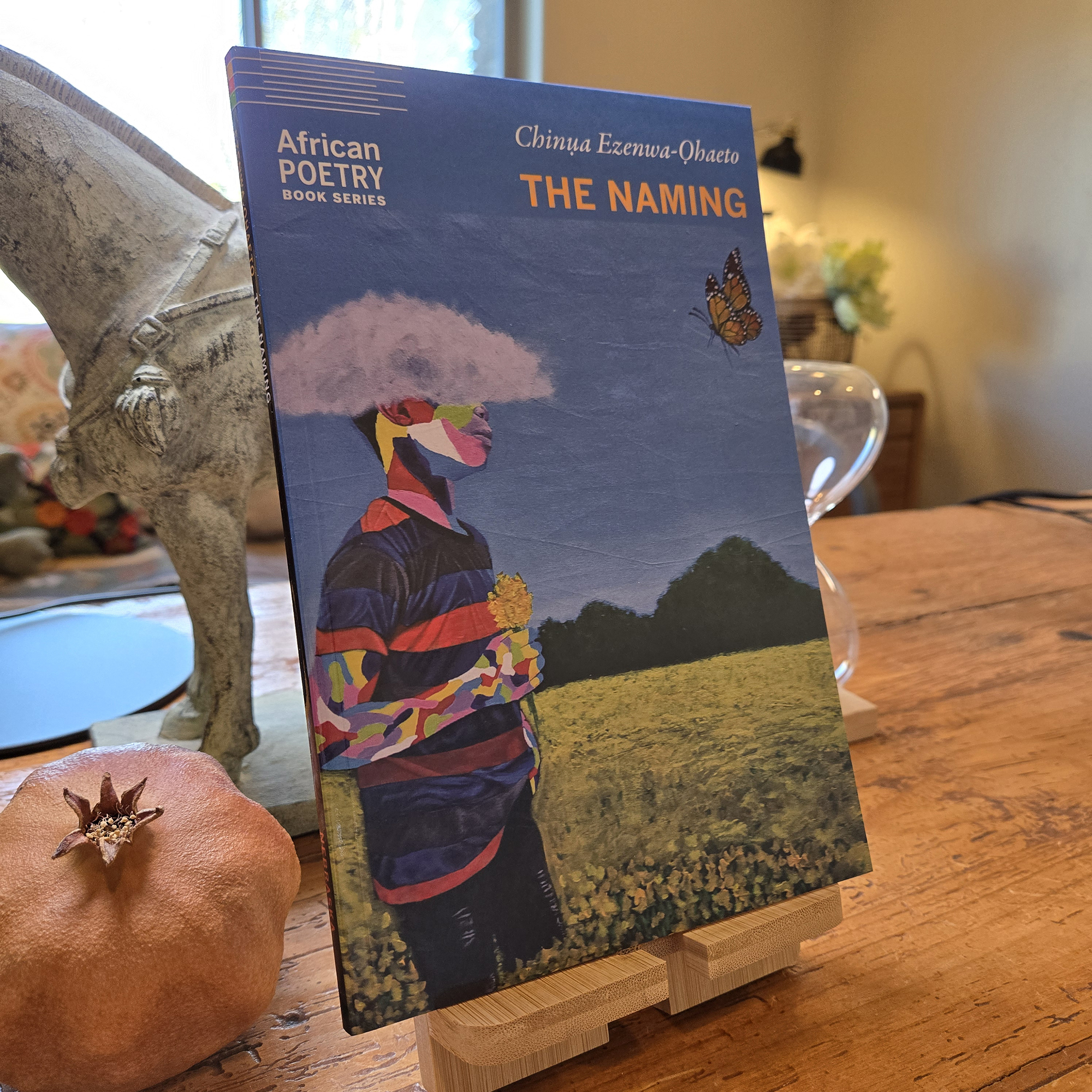
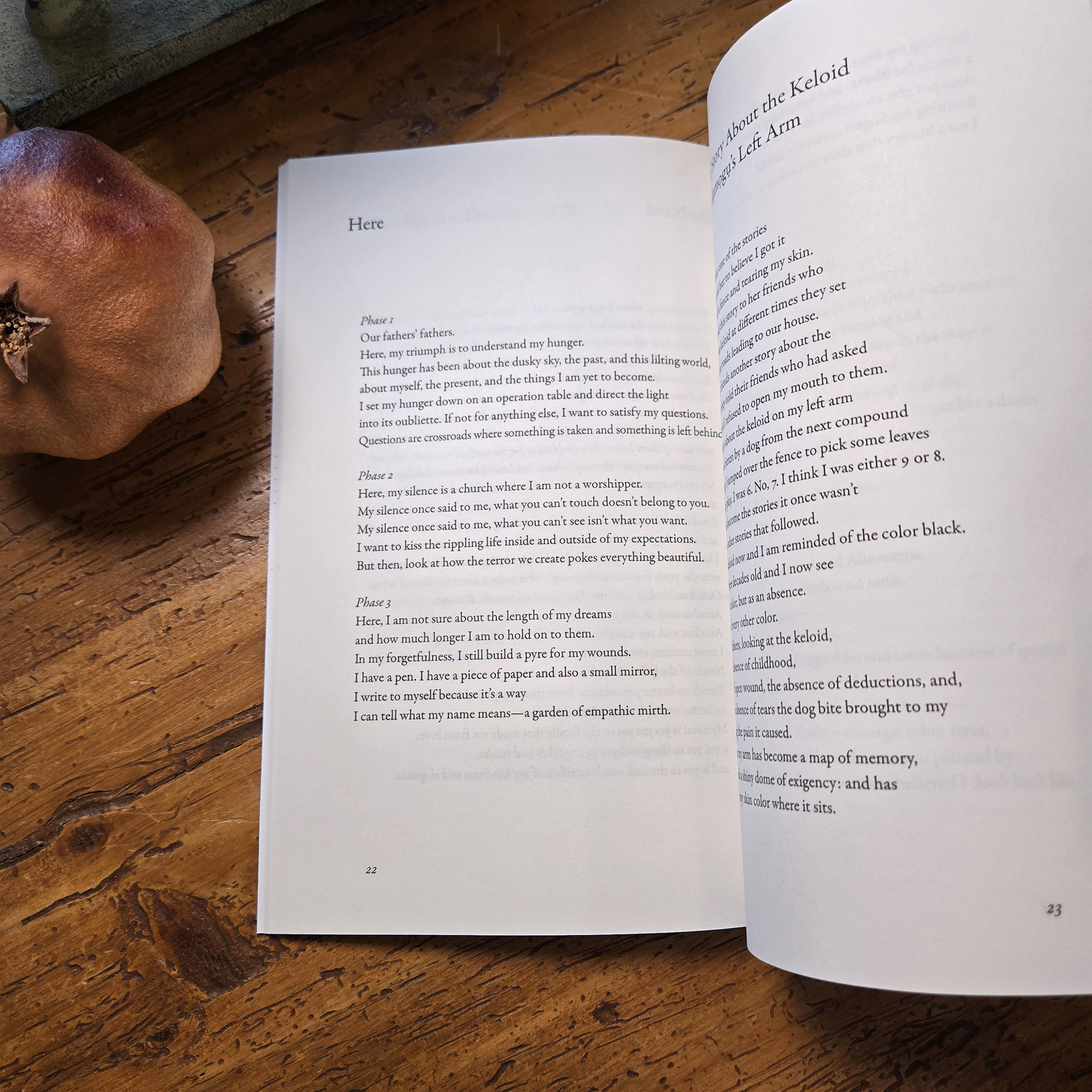
 Dana Henry Martin