Colton Moser, Mosa’ati Moa, Timothy Jones
I feel like y’all’s y’alls should be a thing, like, I’m talking about y’all and y’all’s y’alls.
I got on my smart scale for the first time in just over two months, and it was like A lot of the numbers here are totally different than they were the last time you were on the scale or something to that effect. And then a big message popped up that said IS THIS THE SAME PERSON WHO USUALLY USES THIS SCALE?
For the love of …. not smart, scale. Not a smart thing to say at all. FFS, yes it’s me. It’s my weight and my visceral fat number and my subcu-you fuck all the way off, scale. It’s mine mine mine all mine.
Nurul Amin Shah Alam
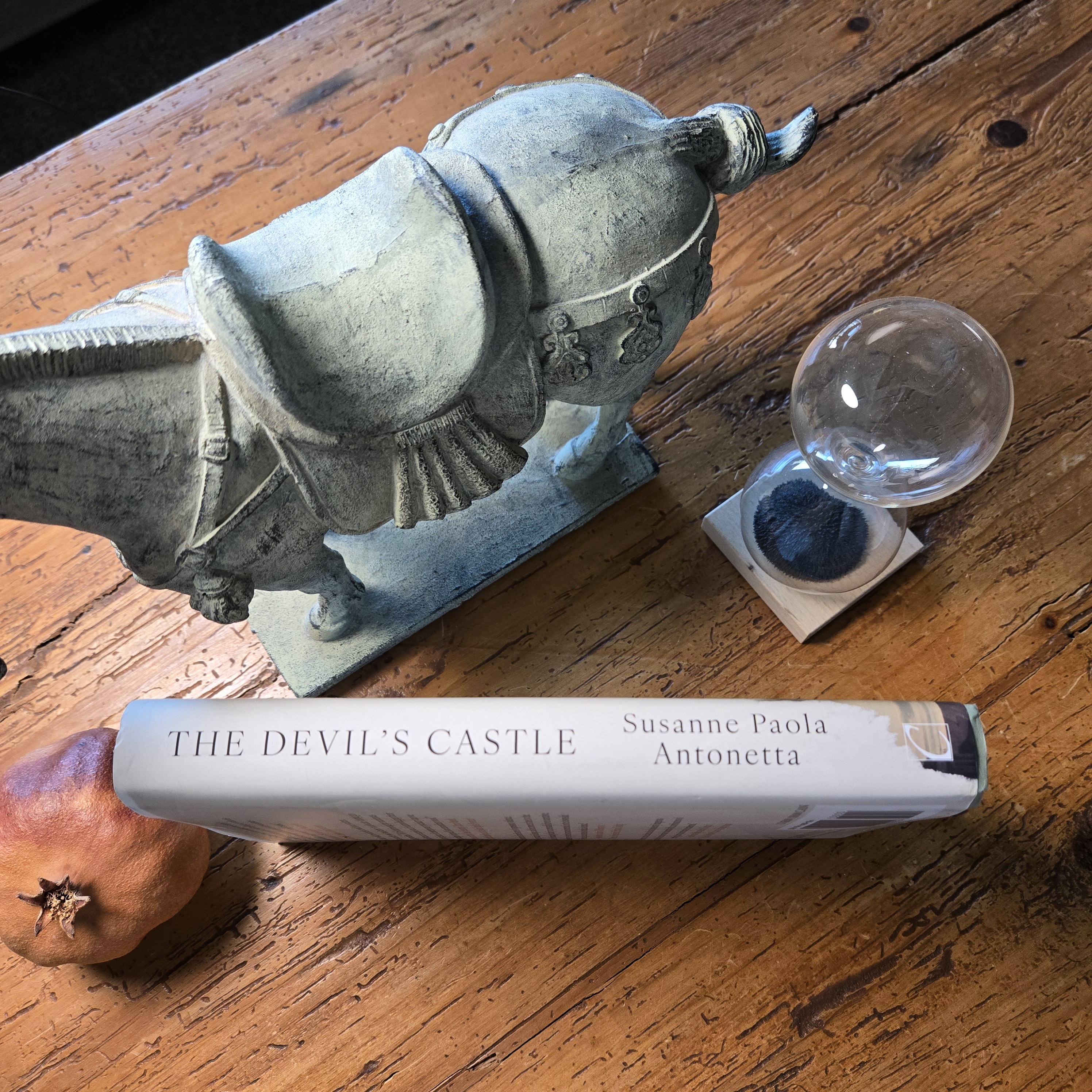
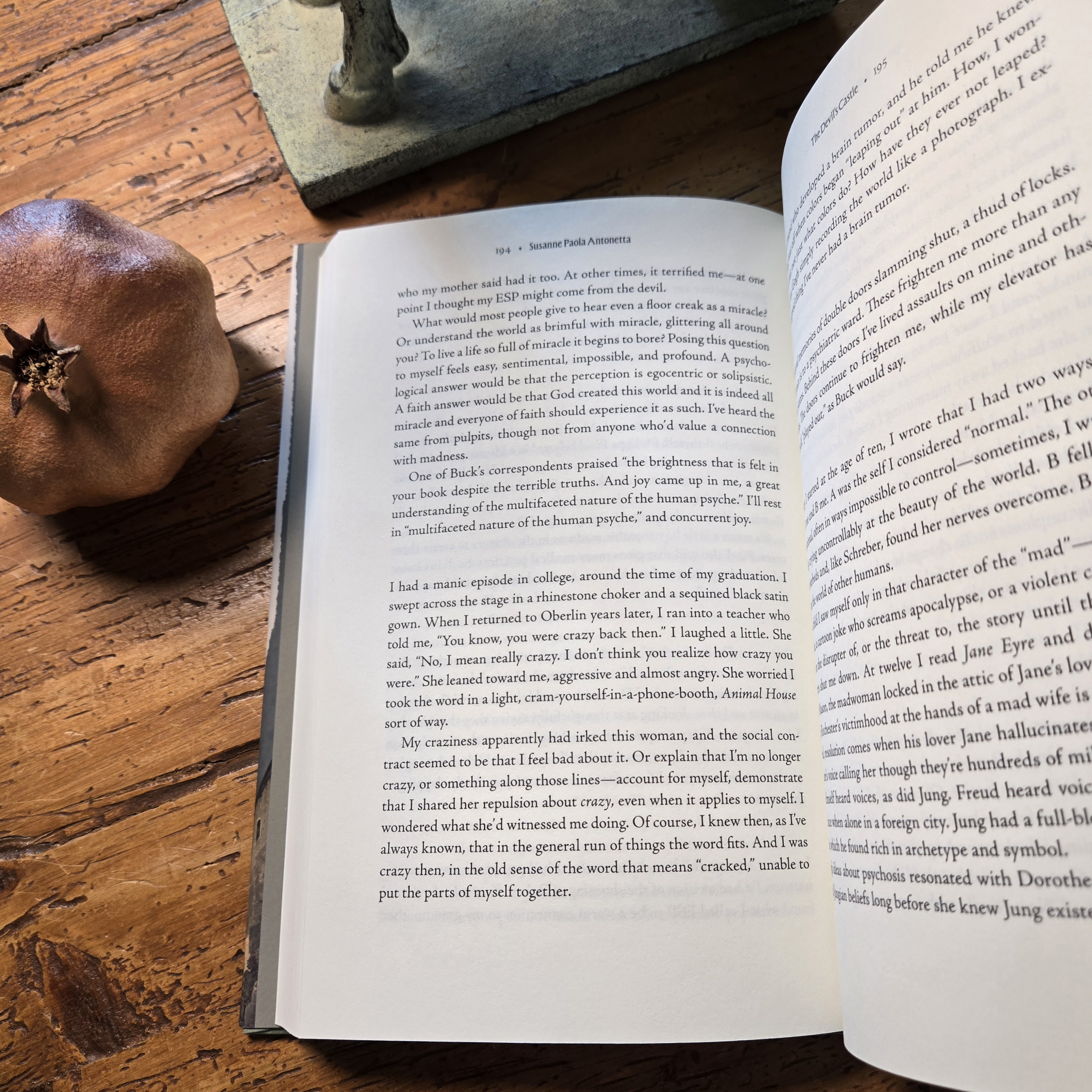
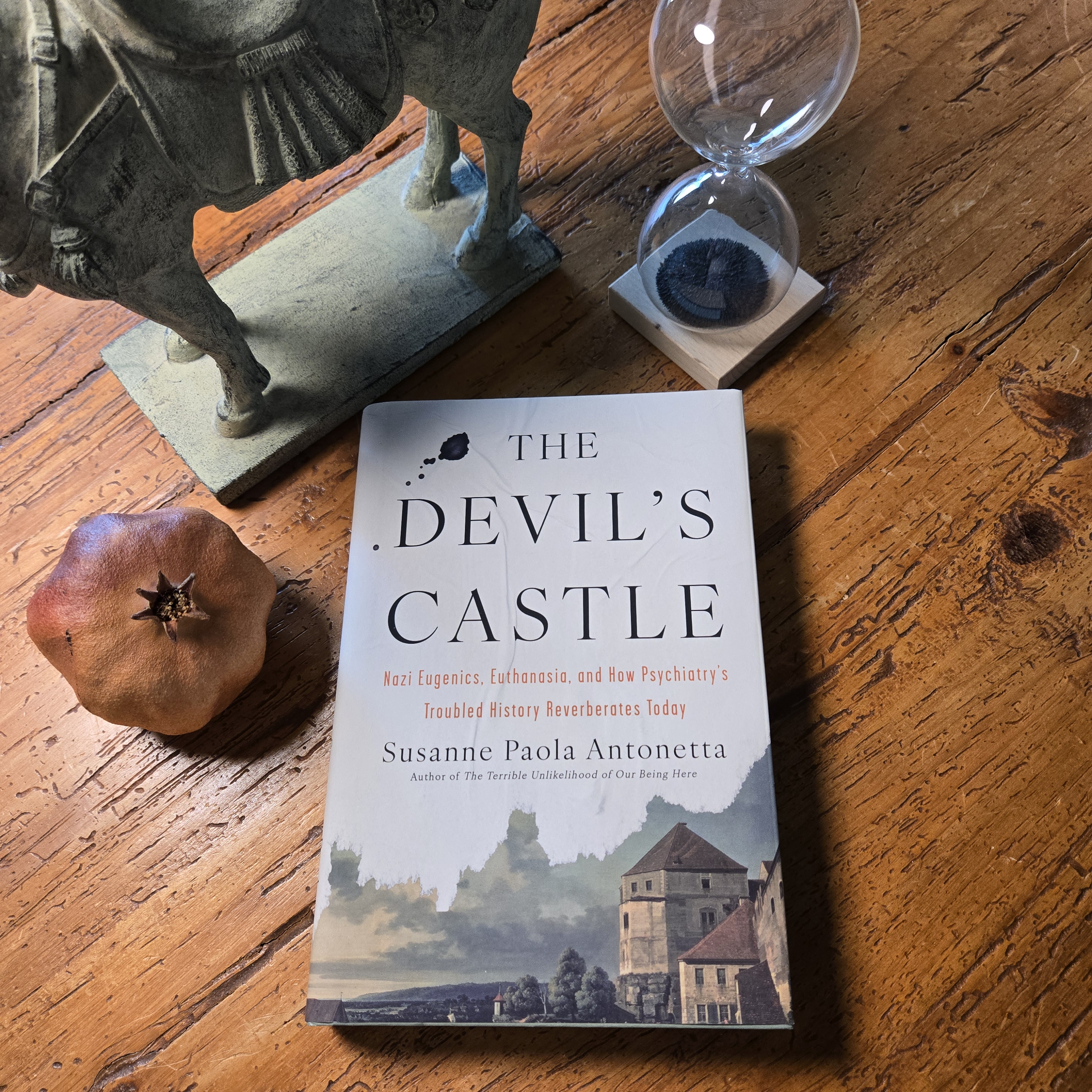
My condition is not your insult. So first, let’s stop using the psychiatric as a metaphor for the awful. Politicians, celebrities, those who have platform need to stop doing this and explain why they are not using mental illness as a way of putting someone down. — Susanne Paola Antonetta
We all need to stop doing this, and we all need to explain why we’ve stopped. — Dana Henry Martin
I feel like someone’s nailed tack strip to my brain is how I am.
The Imam of the Utah Islamic Center was targeted in a shooting Monday in Sandy, Utah. This country is swimming in the fetid waters of hatred. Hate speech turns into action turns into violence turns us into something other than, less than, human. I love Utah. What I hate is that this happened here.
Woke up. Read something sanist. Read something ableist. Read something racist. Read something islamaphobic. Read something transphobic. I’m not making a random list. This is what I read on Facebook when I woke up. I’m not talking about the news. I’m talking about what some folks here are writing in their posts and comments. My body has flipped inside out to protect itself. If you see a blobby many-organed thing coming at you, it’s me, Inside-Out Dana.
In my dream, someone keeps calling Dee Jay Tee a killer tomato, and I’m here for it.
I just read penpal as penile is how I am.
A floating piece of lint just scared me is how I am.
You died. I changed my hair.
Somehow, and I don’t know how, I ended up working out in jeans today is how I am.
Robert F. Kennedy Jr. and Kid Rock make me want to swear off milk, throw out my jeans, and adopt a sedentary lifestyle.
Feeling well-seen by certain folks in poetry means everything to me. I’d call you out by name, but I don’t want to make things weird.
You can’t block the dead on Facebook.
American robins, flushed from cottonwoods flanking the creek, have settled in my honey locust. They are singing. They don’t know how not to.
I had to get out all seven of my essential oil sniffers at once is how I am.
They were out of regular headaches, so I had to pick up a cluster ice-pick headache instead. Who knew this product was even on the market? 0/10. Do not recommend.
I am fucking feral rn is how I am.


 Dana Henry Martin